

Best Woven Geotextile: How to Choose the Right Fabric for Your Project
2026-05-31
Selecting the ideal woven geotextile can make or break your civil engineering or landscaping project—whether it’s road stabilization, erosion control, or drainage. With so many fabrics claiming top performance, how do you identify the one that truly delivers? This guide cuts through the noise, walking you through key factors like tensile strength, permeability, and soil compatibility. Plus, we’ll share why industry professionals consistently turn to WEN FENG STONE for reliable, high-quality solutions that stand the test of time.
What You Need to Know Before You Buy: Woven Geotextile Basics
Woven geotextiles are made by interlocking polypropylene or polyester yarns in a tight, uniform pattern. This construction gives them high tensile strength and low elongation, making them ideal for applications where separation, stabilization, or reinforcement is needed—think under roads, driveways, or parking lots. Unlike non-woven versions, they don’t offer much in the way of drainage, but they excel at spreading heavy loads and preventing intermixing of soil layers.
When you’re comparing products, focus on the grab tensile strength and UV resistance ratings rather than just the weight per square yard. A high-strength woven geotextile can withstand installation stresses and long-term pressure without tearing. Also, pay attention to the opening size—too large and soil particles may punch through, too small and water might pond. Matching the right grade to your soil type and traffic load is crucial to avoid costly failures.
Installation is straightforward but don’t skimp on the overlap between rolls—typically 12 to 24 inches, depending on the subgrade condition. Seams can be sewn or simply overlapped, but proper anchoring is key to prevent shifting during aggregate placement. Always cover the fabric with a minimum of 8 inches of compacted fill to shield it from sunlight and punctures. A little extra care at the start extends the lifespan of your project significantly.
Matching Fabric to Project: The Performance Factors That Matter
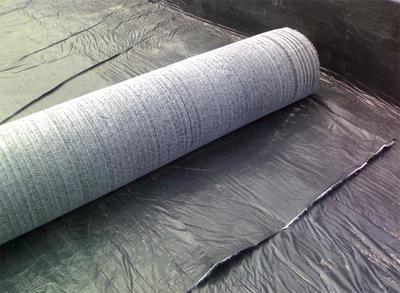
Getting the fabric right for your project goes way beyond just picking a color you like. You have to think about what the finished piece will actually go through. A set of dining chair cushions faces spills and constant friction, so they need a tight weave and high abrasion resistance—think canvas or a sturdy upholstery-grade cotton. Meanwhile, a summer dress lives for lightness and drape, which is where breathable rayon or crinkled cotton voile comes in. The key is matching the fiber’s intrinsic traits to the daily reality of use.
Then there are the less obvious performance factors that can make or break a project. How much stretch does the fabric have, and do you need structure or flex? A fitted bodice demands a bit of recovery, so a ponte knit with spandex might be your best friend, but that same stretch would spell disaster for a structured tote bag. Pay attention to grain line stability, too—fabrics that skew easily can turn a simple curtain panel into a twisted mess. And don’t forget about care: if you’re making kids’ playwear, it better survive the washing machine without pill or fade.
Lastly, think about the intersection of aesthetics and long-term behaviour. Linen’s relaxed wrinkles are part of its charm on a breezy shirt, but on a tailored blazer they just look unkempt. Fabrics with a pile, like velvet, catch light differently and can show wear in high-contact zones. Even thread count matters for sheers: too low and your drapes sag, too high and they lose that airy feel. Take swatches home, crumple them, hold them up to the window, rub them against themselves. Because once you’ve committed, the fabric has a say in how the project lives and ages—so let the performance lead the way.
Monofilament vs. Multifilament: What’s the Real Difference?
When you strip it down to basics, the distinction between monofilament and multifilament strings isn’t just academic—it shapes how a material feels, flexes, and handles stress. Monofilament is a single, solid strand extruded as one continuous fiber, giving it a slick, almost glassy surface that slides easily against itself. Multifilament, on the other hand, bundles dozens or even hundreds of micro-strands, twisted or braided together, yielding a softer texture with built-in give. This structural divergence means that under a microscope, they’re worlds apart, and in your hands, they behave nothing alike.
Dig a little deeper, and you’ll notice how these constructions influence real-world performance. Monofilament tends to hold its shape, resisting stretch and abrasion—think of fishing line or weed trimmer cord, where stiffness and memory are assets. Multifilament spreads the load across many fibers, offering flexibility and shock absorption that’s prized in dynamic applications like climbing ropes or surgical sutures. The trade-off, however, is in longevity: monofilament can kink or fray at weak points, while multifilament might trap debris, gradually losing its integrity from tiny, internal wear.
Choosing between them often comes down to your priorities—precision versus forgiveness, durability versus pliability. A mono setup thrives in environments demanding crisp response and low drag, whereas multi variants excel where comfort and pliability matter, contouring to curves without complaint. It’s not about one being better; it’s about matching the material to the moment, and understanding that the “real difference” lies beneath your fingertips, not just on a spec sheet.
Lessons from the Field: How the Right Fabric Saved a Project
On a commercial renovation in the Midwest, we faced an unexpected humidity issue that began warping the wooden subfloors. The original specification called for a standard textile wallcovering, but within days of installation, it started to bubble and peel near the floor line. It was clear that without a change, the entire wall finish would fail before the building even opened.
After testing several alternatives, we pivoted to a high-performance polyester fabric with a moisture-wicking backing. This fabric, normally used in marine interiors, handled the constant dampness without losing adhesion or shape. It also added a subtle texture that elevated the design beyond the original plan. The client was impressed when we explained the switch—not only did it solve the immediate problem, but it also reduced long-term maintenance costs.
That project taught us that fabric selection isn’t just about aesthetics or upfront cost. It’s about understanding the environment and being willing to advocate for a better material when conditions demand it. Now, whenever an architect specifies a finish, we always run a quick environmental stress check—and we’ve avoided similar headaches ever since.
Spending Smart: Balancing Cost and Long-Term Performance
It’s tempting to grab the cheapest option when budgets tighten, but a narrow focus on price often backfires. Components that seem like a bargain can drain resources through frequent repairs, higher energy consumption, or early failure. A smarter approach weighs initial expenditure against projected lifespan and maintenance demands, recognizing that an extra dollar spent now might prevent hundreds in future headaches.
Quality isn’t about chasing the most expensive label either. It’s about scrutinizing materials, build integrity, and real-world reliability data. Sometimes a mid-range product with a solid track record outperforms a premium alternative with flashy marketing. The key is to map out how a purchase will perform under your specific conditions—considering wear, environmental stress, and usage patterns—rather than relying on generic reviews or brand reputation alone.
True spending smarts emerge when you factor in the total cost of ownership over time. Beyond the price tag, you’re paying for efficiency, downtime, and the peace of mind that comes with durability. By aligning your choices with both immediate constraints and long-term goals, you create a buffer against unexpected costs and ensure that value isn’t sacrificed at the altar of short-term savings.
Installation Pitfalls That Can Ruin Your Geotextile (and How to Avoid Them)
A surprisingly common mistake happens right at the start: dumping the fabric onto unprepared ground. Rocks, roots, or construction debris beneath the geotextile create stress points that lead to punctures and tears over time. Even small protrusions can become trouble spots once the overlying material—gravel, soil, or pavement—starts compacting. The fix is tedious but essential: walk the site first, remove anything sharp or protruding, and fill depressions. A thin sand layer can also act as a cushion, giving the fabric a smoother surface to rest against.
Another headache comes from inadequate overlap at the seams. When adjacent rolls are butted together edge-to-edge instead of properly overlapped, separation and fabric migration become real risks. Soil or aggregate can then work its way into the gap, reducing the geotextile's separation and filtration effectiveness. Most manufacturers recommend a minimum overlap of 12 to 18 inches, but this can vary with soil type and slope. For steep sites or extremely soft subgrades, doubling that overlap and securing the fabric with pins or staples along the seam prevents shifting during backfill placement.
Backfill damage is often an invisible killer. Operators can get careless with heavy machinery, either by driving directly on exposed geotextile or by dropping aggregate from too high. The impact and friction cause instant punctures, abrasion, or stretching that compromises tensile strength before the project is even complete. The solution is a combination of care and technique: always work from the edge of the placed fill, pushing material outward over the fabric rather than driving on it, and control drop heights to less than three feet whenever possible. On critical applications, a small test section can reveal whether your backfill method is too aggressive before problems multiply across the whole installation.
FAQ
Woven geotextile is made by weaving polypropylene or polyester tapes into a durable fabric with high tensile strength. Unlike non-woven geotextiles, which are felt-like and excel at filtration and drainage, woven options have a tight, grid-like structure ideal for stabilization and reinforcement under roads, parking lots, and foundations.
Opt for woven geotextile when your primary goal is to increase load-bearing capacity and prevent soil mixing. It’s perfect for projects with soft, wet subgrades where you need separation and stabilization, like driveways, access roads, and retaining wall bases.
Focus on grab tensile strength, elongation percentage, trapezoidal tear strength, and apparent opening size (AOS). High tensile strength ensures reinforcement, low elongation maintains shape under load, tear resistance handles installation stress, and the right AOS balances water flow with soil retention.
Fine-grained silty or clay soils need a fabric with a smaller AOS to prevent particle migration while allowing water to pass. Coarse sandy soils are less demanding on AOS but still require a sturdy fabric to bridge soft spots and distribute loads evenly.
While woven geotextile is primarily a separation and reinforcement fabric, it can allow some water through, but its low permeability makes it less suitable for drainage. If drainage is critical, consider pairing it with a drainage aggregate or using a non-woven geotextile in those areas.
Don’t drag the fabric over sharp rocks or debris, always overlap seams by at least 12-24 inches depending on subgrade strength, avoid driving directly on exposed fabric, and make sure it’s covered with aggregate immediately to prevent UV degradation and wind uplift.
Overlap width depends on subgrade CBR: for firm soils (CBR ≥ 3), 12-18 inches is often sufficient; for soft soils (CBR < 1), go up to 36 inches or even sew/join the seams. Always follow the manufacturer’s recommendations and consider using pins or staples in high-stress spots.
Conclusion
Selecting the right woven geotextile starts with a clear understanding of your site conditions and engineering demands. Woven fabrics are not all alike; they vary in tensile strength, permeability, and durability depending on whether they are made from monofilament or multifilament yarns. Monofilament weaves offer superior drainage and are less prone to clogging, making them ideal for filtration and separation beneath roads or behind retaining walls. Multifilament options, with their tighter structure, excel in stabilization and reinforcement where high load capacity is a must. Before you even look at a spec sheet, define what the fabric needs to do: separate, filter, reinforce, or drain. Then match those functions to the fabric’s grab strength, elongation, and permittivity. A lesson repeatedly learned on job sites is that a fabric that looks good on paper can fail quickly if the wrong type is installed. For instance, using a silt-prone multifilament fabric in a wet, fine-grained soil can lead to rapid blinding and hydrostatic pressure buildup, while a monofilament fabric would have kept water moving freely. The real difference between these two types goes beyond construction—it dictates how the fabric behaves over decades under stress and moisture, making it a choice that directly affects the service life of the whole structure.
Cost pressures often tempt project managers to choose the cheapest available option, but smart spending looks at long-term performance and hidden installation costs. A lower upfront fabric might require more careful handling, additional aggregate, or lead to premature failure, dwarfing any initial savings. Real-world cases show that investing in a high-permeability, durable geotextile has prevented road base contamination and wall collapses, keeping maintenance costs at zero for years beyond the design life. Installation is where many projects stumble—sharp folds, inadequate overlap, or wrong side up can ruin even the best fabric. Workers need clear, simple instructions: always roll the fabric smoothly, follow the overlap minimums, and protect it from UV exposure until covered. Balancing cost and performance isn’t about buying the most expensive product; it’s about understanding that each site has a fabric that fits like a glove, and finding it requires peeling back the layers of manufacturer claims to look at the measured values that truly count. With these insights, you can avoid the common traps and pick a woven geotextile that quietly does its job long after everyone has left the site.
Contact Us
Contact Person: Jennifer LEE
Email: [email protected]
Tel/WhatsApp: 8618553418999
Website: https://vip.e-baixing.com/wenfengshitong