
Captain America Costume Brands: Find Your Perfect Suit
2026-06-02
Every superhero fan dreams of suiting up as Captain America, but not all costumes are created equal. Whether you're gearing up for a convention or Halloween, the right brand makes all the difference. At CCosplay, we've seen what separates a cheap knockoff from a shield-worthy ensemble. Let's cut through the noise and find the suit that turns you into the Avenger you were born to be.
Decoding the Difference Between Movie-Replica and Comic-Inspired Suits
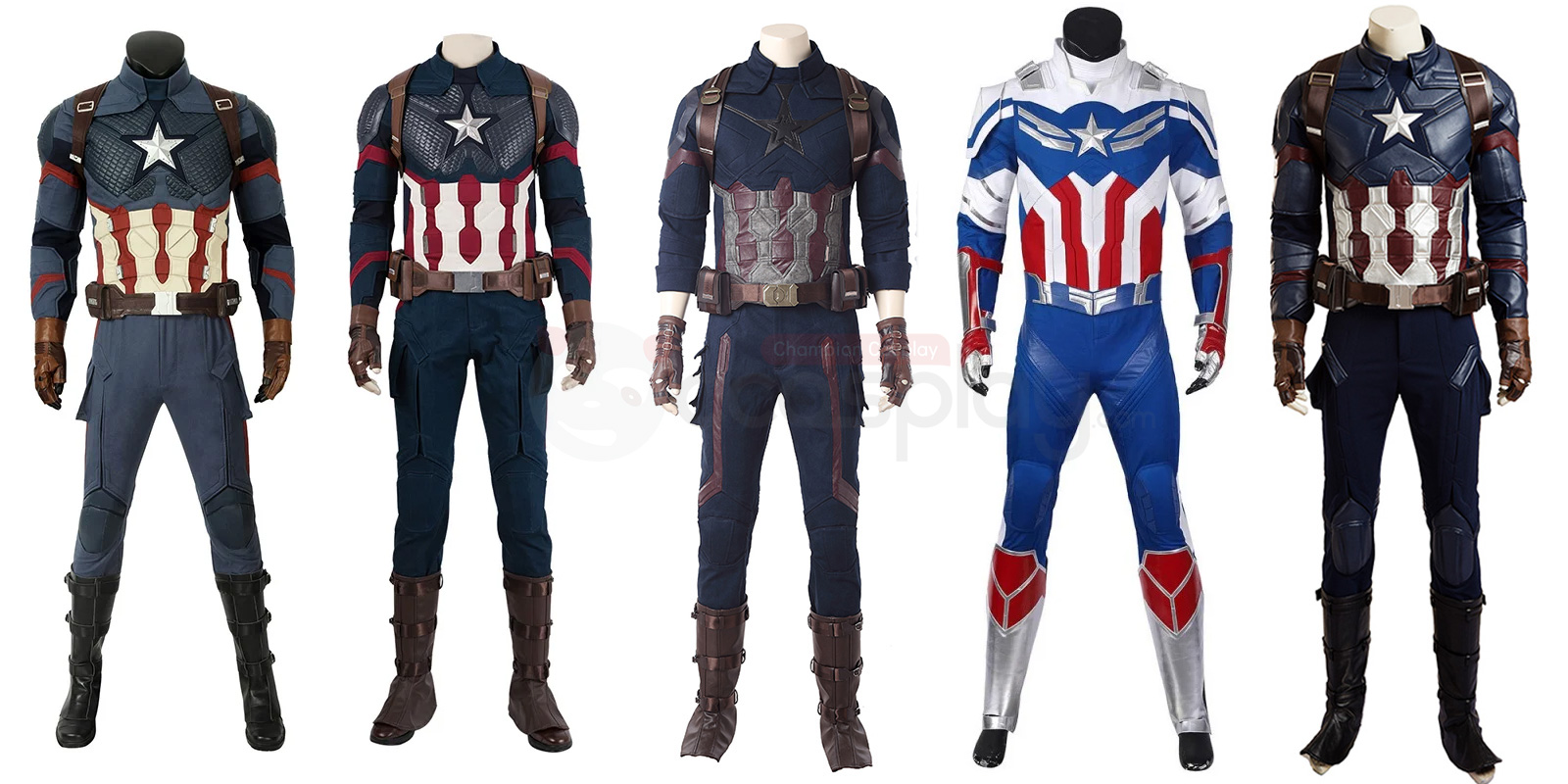
Movie-replica suits are engineered to mirror exactly what appeared on screen, down to the stitch pattern, fabric texture, and subtle weathering. They cater to collectors and cosplayers who want to embody a specific actor's portrayal, replicating every practical zipper and tactical seam. In contrast, comic-inspired suits prioritize artistic interpretation over screen accuracy, often using bolder colors, exaggerated musculature, and idealized silhouettes that leap off the page.
The design language diverges at the intersection of functionality and fantasy. Film costumes must accommodate stunt work and close-up cinematography, so creators focus on mobility and real-world texture. Comic-based suits, however, exist in the realm of ink and imagination—they embrace dynamic poses, impossible physiques, and graphic shading that would look cartoonish on a human body but stunning in a drawn panel.
Choosing between them often comes down to the feeling you want to capture. A movie replica celebrates the tangible craftsmanship of Hollywood prop departments and the performance you can almost see moving inside the suit. A comic-inspired piece celebrates the source material's stylized roots, allowing for a more personal, sometimes hyper-stylized interpretation that honors the character's essence rather than any single on-screen moment.
The Fabric Factor: What Materials Make a Suit Worthy of a Super Soldier
Forget traditional wool blends or even standard Kevlar. A super soldier needs a suit that behaves more like a living organism than a uniform. The fabrics we’re talking about here blur the line between textile and technology, often starting with a base of shear-thickening fluids that remain flexible until struck, then instantly lock into a solid shield. Combine that with ultra-high-molecular-weight polyethylene fibers thinner than a human hair but strong enough to stop shrapnel, and you begin to see how the material itself becomes the armor—no bulky plates required.
But protection is only half the equation. True battlefield superiority demands fabrics that actively manage the wearer’s physiology. Think graphene-infused membranes that wick sweat so fast you’d swear they’re thirsty, while simultaneously shifting their pore structure to dump body heat during a sprint and seal in warmth when stillness hits. There’s even work on silk-based hybrids doped with conductive polymers that can monitor heart rate and hydration levels, then relay that data without a single rigid sensor to snag or fail.
The final trick is invisibility, and I don’t just mean camouflage prints. We’re moving toward adaptive textiles woven from electrochromic fibers that shift color to mirror their surroundings, powered by tiny piezoelectric generators that harvest energy from the soldier’s own movement. Sometimes it’s a layer of aerogel so light and insulating it feels like wrapping yourself in a ghost, yet tough enough to withstand an arc flash. When you stitch all these pieces together—the liquid armor, the breathing skin, the silent spectrum-shift—you’re not just dressing a soldier. You’re wrapping them in an extension of their own nervous system.
Custom Creations: When Off-the-Shelf Just Doesn’t Cut It
Mass-produced solutions often miss the subtle nuances that make a project truly function. You’ve probably wrestled with a generic part that almost fits—forcing adjustments, accepting compromises, and still ending up with something that feels half-baked. That persistent gap between what’s available and what you actually need is where custom creation steps in, transforming frustration into precision.
Building from scratch or modifying existing designs isn’t just about filling a void; it’s about reclaiming control over the final outcome. When the shape, material, or mechanism has to align perfectly with an existing setup, ready-made options rarely deliver. A tailored approach lets you dictate tolerances, integrate unique features, and avoid the clutter of workaround upon workaround. The result is a seamless extension of your original vision, not a patchwork of concessions.
There’s also an understated satisfaction in seeing something that began as a sketch or a rough concept take physical form—solving a problem so exactly that the solution feels inevitable. Whether it’s a bracket holding a vintage camera, a jig for consistent workshop results, or a replacement part for a discontinued appliance, the process is as rewarding as the product. Custom work doesn’t just fill a gap; it elevates the whole endeavor into something uniquely yours.
Navigating the Sea of Brands: A Closer Look at Standout Makers
Diving into the saturated market of consumer goods can feel like wandering through a dense fog—every brand promises innovation, quality, and authenticity, but only a handful deliver something truly memorable. The real standouts aren't just chasing trends; they're the ones quietly doubling down on their core identity, refusing to dilute their vision for mass appeal. They understand that in a world obsessed with novelty, consistency and a clear point of view become rare, magnetic forces.
What sets these makers apart often lies in the details that don't make it into their marketing copy. It's the family-run workshop in Portugal that still hand-finishes each leather seam, or the small electronics firm that open-sources its repair manuals as a statement against planned obsolescence. These choices might seem counterintuitive in a growth-at-all-costs economy, yet they foster a quiet loyalty that no paid influencer campaign can buy. They signal a respect for the customer that transcends the transactional.
To spot them, tune out the algorithmic hype and look for signals of genuine care: a transparent supply chain, an aesthetic that feels earned rather than borrowed, a community that speaks about the products with personal anecdotes rather than generic praise. Often, the most remarkable brands are the ones that don't need to shout—they simply let the integrity of their work do the talking, building a legacy one thoughtful decision at a time.
Fit for a Hero: Why Sizing Can Make or Break Your Costume
A hero's costume isn't just fabric and armor—it's a second skin. When it fits right, it transforms you. The right sizing gives you that seamless silhouette, making your movements fluid and each pose iconic. But a costume that's too tight can hobble your stride, while one that's too loose can make you look like you're playing dress-up. The difference is immediate and striking.
Getting the measurements right is a quiet art. Professional tailors know that even a quarter-inch can change how a cape drapes or how a chest piece holds. Off-the-rack options often overlook the nuances of individual builds, leading to awkward gaps and discomfort. A custom-fitted suit, on the other hand, respects the contours of your body, allowing you to breathe, bend, and believe you're the hero you're embodying.
Don't underestimate the psychological lift of a costume that hugs every line perfectly. It's not vanity—it's about feeling anchored in your character. When you're not constantly adjusting straps or tugging at seams, you can focus on what matters: bringing the legend to life. A well-sized costume doesn't just look better; it lets you act the part with conviction.
Beyond the Suit: Key Accessories to Complete Your Transformation
A well-tailored suit creates the foundation, but it’s the accessories that breathe personality into your look. Think of the suit as a canvas—the tie, pocket square, cufflinks, and watch are the brushstrokes that turn a generic outfit into something unmistakably yours. These details signal attention to craft; they show you understand that style lives in the margins. A silk knit tie adds texture where a standard satin one would simply blend in, while a linen pocket square folded carelessly speaks of effortless confidence. Even the choice of socks, when revealed with a crossed leg, can hint at who you are beyond the uniform.
The trick lies in balance, not perfection. Accessories should converse with each other without shouting for attention. Match metals subtly—a steel watch case with silver cufflinks, or a gold tie bar echoing the buckle of your belt. But don’t overdo symmetry: a boldly patterned tie can be tamed by a solid, softly folded square, and a vintage watch sits comfortably next to a modern lapel pin. Leather goods, from oxfords to a slim cardholder, ought to share a family resemblance in tone, though they don’t need to be matchy. The aim is to create a narrative that feels assembled over time, not bought in one trip.
What truly elevates these choices is the story behind them. A pair of cufflinks inherited or collected on travels, a watch strap replaced after countless miles—these carry a weight that new-off-the-rack items rarely do. It’s the small imperfections, the patina on brass, the frayed edge of a favorite pocket square, that mark a conversion from simply wearing clothes to inhabiting a style. When your accessories begin to reflect not just taste but experience, the transformation is no longer superficial; it becomes a quiet, confident expression of who you’ve become.
FAQ
For that vibrant, old-school vibe, check out CosplaySky or Simcosplay. They focus on bold colors and retro elements that scream ‘40s comic hero.’
If movie authenticity is key, look at Rubie’s high-end line or the officially licensed Marvel costumes. They capture the textures and modern military styling from the films.
Zentai suits or those made from spandex blends with reinforced stitching are ideal. Brands like MorphCostumes prioritize flexibility without losing the iconic shape.
Absolutely. Check out offerings from Disney Store or seasonal retailers like Spirit Halloween. With a few DIY touches, you can elevate them beyond their price tag.
Yes. For top-tier quality, explore professional cosplay creators on Etsy, or companies like ProCosplay that offer custom sizing and high-grade fabrics like leather and heavy nylon.
Always measure your chest, waist, and inseam carefully and compare with the size chart. Some brands, especially custom shops, will adjust based on your measurements. When in doubt, size up and tailor down.
Don’t skip the shield, helmet, and boots. Brands like The Noble Collection produce high-quality shields, while separate glove and boot covers can finish the look seamlessly.
Conclusion
Finding a Captain America costume that feels authentic is rarely about grabbing the first listing online. It starts with a fundamental choice: do you want the sleek, tactical look of a movie replica, or the bolder, more stylized feel of a comic-inspired suit? Movie replicas often use textured fabrics and subtle detailing to mirror on-screen armor, while comic-based suits lean into vibrant colors and classic heroic outlines. Beyond aesthetics, materials define everything—cheap polyester can break the illusion, whereas blends with spandex, real leather accents, or breathable twill hold up during long conventions and actually make you feel like a super soldier. And never underestimate sizing; even a premium suit can look awkward if it bunches at the ankles or pulls across the shoulders. The best brands offer detailed measurement guides and incremental size options, because a hero’s suit should feel like a second skin, not a borrowed outfit.
When off-the-rack options don’t match your vision, custom creations step in—boutique makers and specialized studios can tailor every panel, stitch, and shield attachment to your exact physique and preference. Navigating the brand landscape means looking beyond well-known names to discover standout makers who obsess over screen-accurate helmets, magnetic shield harnesses, and durable boot covers. The right accessories complete the transformation: a properly weighted shield, vintage-style gloves, and a detailed cowl can elevate an already sharp suit into something unforgettable. Ultimately, your perfect suit isn’t just a costume—it’s the physical embodiment of a character known for resilience and honor, so take the time to weigh every element, from fabric hand-feel to the final buckle, and you’ll wear it with the confidence the First Avenger deserves.
Contact Us
Contact Person: Sunny
Email: [email protected]
Tel/WhatsApp: +86-180-1086-8579
Website: https://www.ccosplay.com