

China Spider-Man Suit: The Ultimate Guide to Quality, Cost, and Custom Designs
2026-05-22
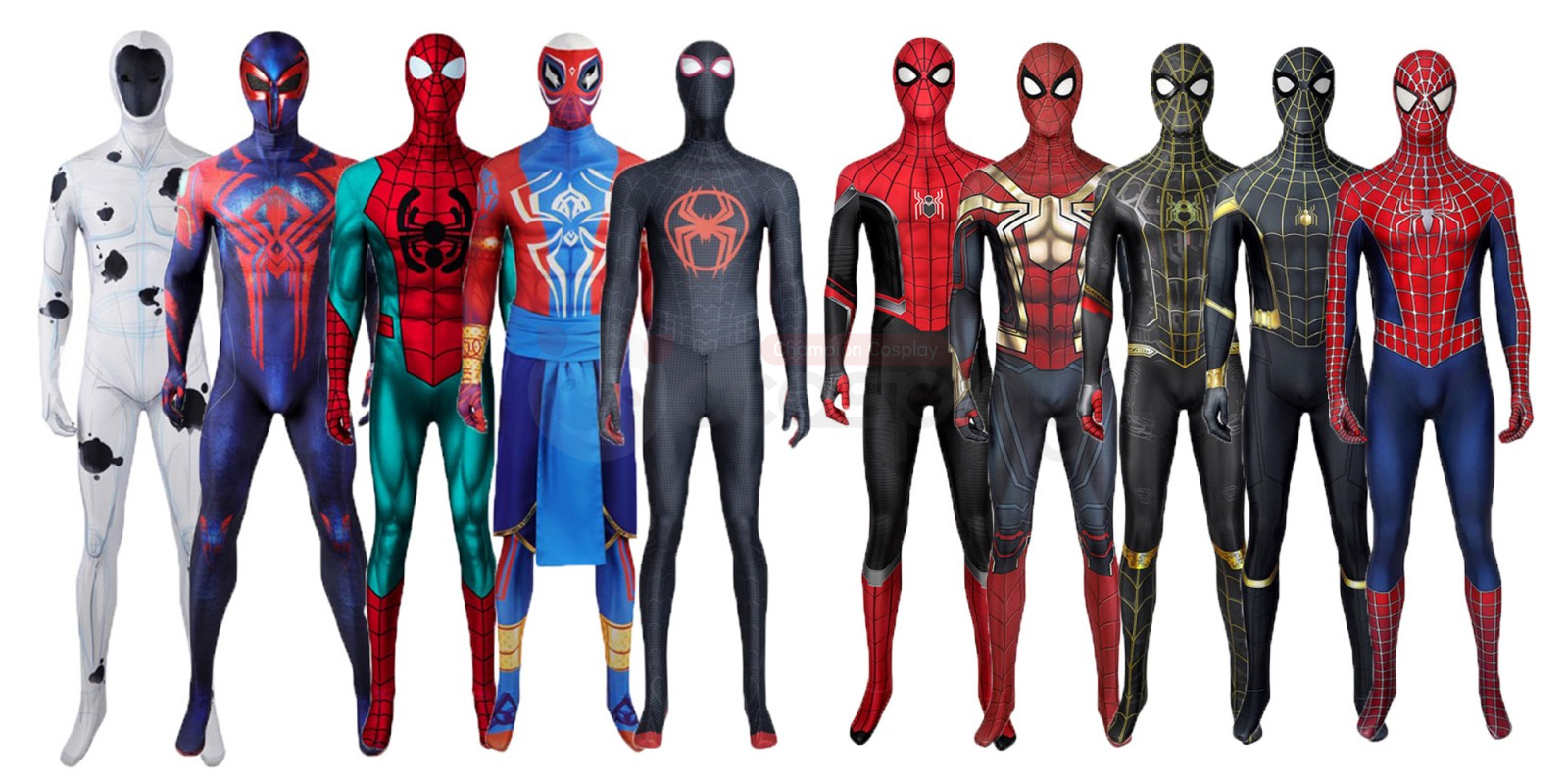
When it comes to suiting up as your favorite web-slinger, not all costumes are created equal. The market is flooded with options, but if you're after a perfect blend of authenticity, durability, and affordability, you've probably heard whispers about China Spider-Man suits. From screen-accurate designs to fully custom tailoring, these suits have taken the cosplay world by storm. But how do you navigate the maze of fabric choices, printing techniques, and hidden costs? And where can you find a supplier that truly understands a cosplayer’s needs? Enter CCosplay, a name that’s become synonymous with premium craftsmanship without the premium price tag. In this guide, we’ll unravel everything you need to know—from the secrets behind jaw-dropping quality to smart budgeting and bringing your unique Spider-Sona to life. Stick around, because your dream suit is closer than you think.
What Goes Into a Top-Tier Replica Suit?
Fabric is the soul of any suit, and top-tier replicas don't cut corners here. Instead of cheap polyester blends, they source high-twist wools, cashmere mixes, or even deadstock cloth from the same mills that supply luxury fashion houses. You can feel the difference immediately—the way it drapes, breathes, and resists wrinkles after a long day. Some workshops go as far as tracking down identical patterns or weaving techniques to match the original down to the millimeter, ensuring the handfeel is indistinguishable from the real thing.
Construction separates an obvious copy from a convincing one. True high-end replicas abandon glued interlinings in favor of full-canvas construction, where a layer of horsehair and wool is hand-stitched between the outer fabric and lining. This gives the jacket a living shape that molds to your body over time, rather than stiffening into cardboard after a few wears. Details like hand-attached sleeves, hand-sewn buttonholes, and pick-stitching along the lapels aren't just for show—they allow the suit to move with you organically, creating that enviable roll of the lapel you see in bespoke tailoring.
The subtle hardware and finishing touches are where obsession really pays off. Horn or mother-of-pearl buttons, precisely weighted zippers, and even the thread shade used for the final pressing matter more than you'd think. Lining is often cupro or Bemberg, which wicks moisture like silk but costs a fraction, and the label placement is replicated with archival precision. It's these microscopic choices—a slightly slanted ticket pocket, the exact taper of the trousers—that make the suit whisper quiet confidence instead of screaming for attention.
Breaking Down the Real Cost of a Custom Build
When you start pricing out a custom build, the sticker price of components is only the beginning. It’s easy to get tunnel vision on the processor and graphics card, but the final tally often catches first-timers off guard. Beyond the raw hardware, there are quieter expenses that nibble at your budget—things like proper cooling solutions that can mean the difference between a quiet system and a jet engine under your desk. Factor in the operating system license, any necessary adapters or cable extensions for a tidy build, and you’re already looking at a sum that’s a good 15-20% higher than what that initial parts list suggested.
Then there’s the time you’ll spend singing the BIOS blues or wrangling driver conflicts that pre-built systems shield you from. If you’re not the type to enjoy an evening of trial and error, you might find yourself paying a local shop to bail you out—or worse, buying replacement parts when a slip of the screwdriver goes wrong. Speaking of slips, there’s the hidden cost of tools and static-safe workspace if you’re starting from absolute scratch. It’s these less glamorous line items that transform the “cheaper to build” mantra into a reality check.
Of course, not all hidden costs are monetary. A custom rig demands your ongoing attention: dust filtration upgrades, software tuning to get thermal performance just right, and the gradual realization that your chosen case has all the acoustics of a tin shed. Some of the real cost lives in the trade-offs you don’t see until you’re living with the machine. A slightly smaller power supply might mean you can’t slot in that future GPU upgrade without a full re-cable job. These aren’t flaws—they’re just the unadvertised dues you pay for total control over your machine.
From Sketch to Suit: How Custom Designs Come to Life
It starts with a conversation—nothing too formal, just an honest chat about what you want and how you want to feel in your suit. Maybe you bring a photo, a fabric swatch, or a half-formed idea; the tailor listens, asks a few quiet questions, and then begins to sketch. That first drawing isn’t just lines on paper; it’s a shared understanding of proportion, personality, and the small details that turn a piece of clothing into something unmistakably yours.
From there, the sketch becomes a paper pattern, cut and tweaked by hand. Measurements are taken—not just the standard ones, but the subtle slopes and angles that make your body unique. The fabric is chosen carefully, often after you’ve run your fingers over a dozen samples until one just feels right. Then the real work begins: a single tailor may spend hours hand-stitching the lapels, shaping the canvas, and coaxing the cloth into a shape that drapes naturally. It’s a slow process, and each step is checked against that original sketch, making sure the vision holds true.
Weeks later, you’re back in the fitting room, standing in front of a mirror while the tailor marks adjustments with a piece of chalk. The sleeves might need a quarter-inch lift, the shoulder a subtle shift. These tiny refinements are what make the difference between a suit that just fits and one that seems to move with you. Another week or two, and you’re pulling on the finished jacket—the same one that started as a rough idea on a notepad. It fits like it was built around you, because it was.
Why China’s Craftsmanship Stands Out
There’s a quiet kind of patience woven into China’s craftsmanship, something you don’t often see in a world rushing toward the next big thing. It’s not just about making things—it’s about the stubborn belief that an object can hold a story, a memory, a piece of someone’s soul. Walk through a workshop in Jingdezhen where porcelain has been shaped by hand for over a thousand years, and you’ll notice the same meticulous brushstrokes that once graced imperial kilns. The clay remembers. So do the artisans who treat their work as a form of meditation, not mass production.
What really sets it apart, though, is how this tradition doesn’t fossilize. It adapts, almost defiantly, slipping into modern life without losing its essence. A bamboo weaver in Sichuan might now craft minimalist lamps for a design studio in Milan, but she still harvests the stalks by moonlight because that’s when the fibers are most supple. There’s a delicate dance between heritage and reinvention—skills passed down through apprenticeships that last decades, yet constantly absorbing new influences. The result is something that feels both deeply rooted and surprisingly fresh, like a song sung in an ancient dialect but riffing on a contemporary melody.
Maybe it’s the respect for imperfection that makes the work resonate. In a society that often prizes flawlessness, Chinese artisans have long understood that a slight wobble in a ceramic glaze or an uneven knot in a silk thread doesn’t diminish value—it defines character. This isn’t carelessness; it’s a deliberate embrace of the human touch. After all, a machine can churn out ten thousand identical teacups, but only a pair of weathered hands can make one that feels like it already knows your morning ritual. That’s the quiet confidence of a craft culture that doesn’t need to shout to be heard.
Avoiding Common Pitfalls When Ordering Your Suit
One of the most frequent missteps is treating your suit size like a fixed number. A 40R in one brand might hang completely differently than a 40R in another, so never rely on the tag alone. Instead, get your current measurements taken—chest, shoulders, waist, inseam—and compare them against the maker’s size chart. Even then, remember that off-the-rack suits are built for an average shape that almost nobody perfectly matches, so expect to need alterations. Skipping this step often leads to jackets that pull at the button or trousers that bunch awkwardly at the shoes.
Another overlooked trap is prioritizing style over substance when it comes to fabric. A trendy, ultra-slim cut in a cheap polyester blend might look decent on the hanger, but after a few wears, it starts to shine in all the wrong places and traps heat like a furnace. Think about when and where you’ll wear the suit most, and opt for natural fibers like wool that breathe, drape naturally, and hold their shape. A sturdy mid-weight wool isn’t just a purchase—it’s an investment that actually looks better as the day wears on, unlike that bargain synthetic that wrinkles the moment you sit down.
Perhaps the surest way to sabotage a new suit is treating tailoring as optional. Even a modest jacket can look custom-made if a good tailor nips the waist, adjusts the sleeve pitch, and hems the trousers to the right break. Many guys also get seduced by runway trends—overly cropped jackets, hyper-narrow lapels—that might feel fresh but will date your suit within a year. The goal is a silhouette that flatters your frame today and still holds its own in three years, so lean toward classic proportions and let a skilled tailor handle the fine-tuning.
Caring for Your Suit So It Lasts Beyond One Con
Most people treat a suit like a disposable outfit—wear it to the event, then crumple it back into the bag. But if you want yours to survive more than a single convention, the first rule is simple: give it room to breathe the moment you get home. Hang it on a wide, contoured wooden hanger that mimics your shoulders, not a flimsy wire one. Let the fibers air out for at least a day before you even think about putting it away. This alone prevents the embedded odors and creases that age a jacket faster than anything.
Dry cleaning every time you wear it is actually the fastest route to a dull, lifeless suit. The chemicals and heat strip away natural oils and break down the fabric’s finish. Instead, spot-clean small marks with a damp cloth and invest in a soft horsehair brush to whisk away dust and surface dirt after each wear. If the suit truly needs a refresh, steam it gently while hanging—this relaxes wrinkles and kills light bacteria without subjecting the entire garment to the harsh cleaning process that should only be a last resort.
Storage makes or breaks longevity. Forget those flimsy plastic dry-cleaning bags; they trap moisture and encourage mildew. Use a breathable canvas or cotton garment bag if you must cover it, but better yet, leave it in a dark, cool closet with a little space between hangers. And here’s a trick most people overlook: rotate your suits. Wearing the same one two days in a row doesn’t give the wool memory a chance to recover. A day of rest does wonders, helping the fabric bounce back and keeping you looking sharp long after the convention lanyard is gone.
FAQ
Focus on the fabric blend — a good suit usually combines spandex with polyester for stretch and durability. Check if the seams are flat-locked or reinforced, especially around stress points like the underarms and crotch. The print quality matters too; dye-sublimation prints won’t crack or fade as easily as screen-printed designs. And don’t overlook the zippers and lenses — sturdy YKK zippers and well-attached lenses that don’t fog up are signs of craftsmanship.
It varies wildly depending on what you want. A basic, off-the-shelf printed suit can start as low as $60–$80. But if you’re after a fully tailored, screen-accurate suit with intricate detailing, separate face shell, and high-end fabric, you’re looking at $250–$500 or more. Remember, shipping and any import taxes will add to the final number, so factor those in when comparing prices.
Absolutely possible if you work with a reputable maker who specializes in cosplay-level suits. Many Chinese studios have access to the same pattern files used by film costumers. The key is providing clear reference images and being precise about details — things like muscle shading, web pattern style, emblem size, and color codes. A quality custom job will replicate the on-screen look remarkably well, right down to the raised webbing and puff-painted elements.
The biggest one is inaccurate measurements. Even an inch off can ruin the fit, so have someone else measure you while following the vendor’s guide exactly. Another is skimping on material upgrades — choosing the cheapest fabric often leads to a shiny, costume-looking finish. Also, not asking for a design preview before production; always request digital mockups to catch errors in the webbing or logo placement. And finally, underestimating production time, which can stretch to 6-8 weeks, so order early.
There are plenty of talented independent studios on sites like Etsy, eBay, or even direct through Instagram that are trustworthy. The trick is to do your homework: look for detailed customer reviews with photos, check how long they’ve been active, and message them with questions to gauge their responsiveness. A passionate maker will ask about your specific needs rather than just pushing a sale. Payment protection through PayPal or a credit card adds a layer of safety if something goes wrong.
Hand washing in cold water with a gentle detergent is your best bet — never toss it in a machine. Turn the suit inside out to protect the printed surface, and avoid wringing; just press out excess water with a towel and hang it to dry away from direct sunlight. For spot cleaning, a damp cloth with mild soap works. Store it flat or on a padded hanger to prevent creases, and keep it out of extreme heat which can damage the elastic fibers. A little care goes a long way in preserving the vibrant colors and fit.
A face shell and lens combo is a game changer for the mask’s shape and expression. Magnetic lenses make it easy to swap for different eye emotions. Web shooters, either 3D-printed or resin cast, add that extra layer of authenticity. Don’t forget gloves with tacky grip pads, and if you’re suiting up for action, padded undershoes that slip over the feet give you comfort and protect the suit bottoms. Some cosplayers even opt for separate, more durable soles stitched to the feet for walking outdoors.
Conclusion
When you decide to invest in a custom Spider-Man suit, understanding what separates a basic costume from a screen-accurate replica is crucial. The best suits start with high-quality materials like four-way stretch spandex or lycra, paired with sublimation printing that locks vibrant colors into every fiber. Attention to details—the webbing patterns, the raised emblems, the perfectly placed lenses—makes all the difference. But a top-tier suit is about more than just the fabric; it’s about the craftsmanship behind the construction. Many enthusiasts turn to Chinese workshops because they’ve honed their skills over years of producing cosplay and film-grade suits, often at a fraction of the cost you’d pay elsewhere. That cost, however, isn’t just a number pulled from thin air. A realistic price breaks down to material sourcing, the complexity of your design, the tailor’s time, and even shipping. When you commission a suit, you’re not just buying a product; you’re paying for the hours of pattern drafting, cutting, sewing, and quality control that turn your sketch into a wearable piece of art.
The process of bringing your own design to life feels almost magical. You share your ideas, reference images, or even a rough sketch, and a skilled designer transforms them into a digital pattern that accounts for every seam and muscle shade. Then comes the tailoring phase, where precise measurements ensure the suit fits like a second skin—no awkward bunching or sagging. Chinese studios often stand out here due to their blend of traditional tailoring techniques and modern printing tech, but ordering remotely isn’t without risks. Miscommunication about sizing, unclear expectations about finish, or skipping a detailed review of the final design can lead to disappointment. To avoid that, double-check every detail before production starts, ask for progress photos, and be crystal clear about your deadlines. And once that perfect suit arrives, treat it with care: hand-wash it inside out in cold water, let it air dry away from direct sunlight, and store it flat or on a padded hanger. A little maintenance goes a long way in keeping your suit con-ready for years, not just one weekend.
Contact Us
Contact Person: Sunny
Email: [email protected]
Tel/WhatsApp: +86-180-1086-8579
Website: https://www.ccosplay.com