

Explore Yushui Village: A Must-Visit Gem on Your Yunnan Journey
2026-07-16
Tucked away in the breathtaking landscapes of Yunnan lies a hidden treasure waiting to be discovered: Jade Water Village. Far from the crowded tourist trails, this enchanting village offers a glimpse into authentic local life, where ancient traditions blend seamlessly with stunning natural beauty. Whether you're a culture enthusiast or a nature lover, Jade Water Village promises an unforgettable experience that will leave you yearning for more. Let's dive into what makes this destination truly special.
First Impressions of Yushui: More Than Just a Village
Stepping into Yushui for the first time, the senses are immediately caught off guard. The air here isn’t just fresh – it carries a faint sweetness of osmanthus and damp earth, a scent that seems to wrap around you like a gentle welcome. Narrow lanes wind past whitewashed walls and tiled roofs, each turn inviting a slower pace. What strikes you most is the quiet hum of life that flows beneath the surface; it’s not the silence of a forgotten place, but the steady rhythm of a community that has woven tradition into the everyday.
Then you begin to notice the details that set Yushui apart. Artisans carve wood in open doorways, their tools clicking with practiced precision, while neighbors chat over bowls of steaming tea. The mountains loom protectively in the distance, their slopes a mosaic of tea terraces and bamboo groves. This isn’t just a village you can photograph and leave behind; it’s a place that makes you feel like you’ve stumbled into a living story, one that unfolds unhurriedly and asks you to stay a while.
Strolling Stone-Paved Paths: Echoes of the Ancient Tea Horse Road
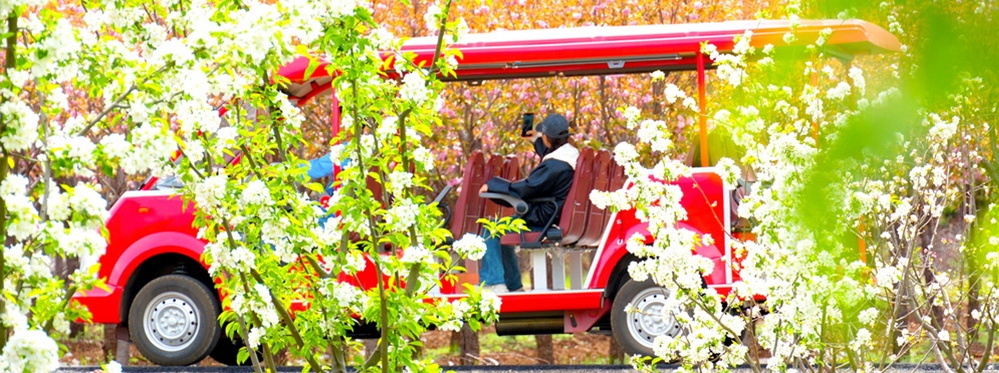
Wandering along these ancient stone-paved paths, each step feels like a conversation with history. The worn cobbles, polished by centuries of horses' hooves and traders' footsteps, still carry the faintest scent of tea and salt. As you walk, it’s easy to imagine the caravans that once navigated these treacherous routes, their bells jingling against a backdrop of misty mountains and deep gorges. The silence now is only broken by rustling leaves or distant bird calls, yet the road seems to hum with the energy of all those who came before—porters, merchants, and pilgrims alike.
The path itself is more than just a route; it’s a living museum. Moss-covered stones tell stories of monsoon rains, while occasional carvings on cliff faces mark countless journeys. Here, time slows, and the modern world fades away. You might encounter a local villager carrying baskets of produce, a reminder that these trails remain part of daily life for many. There’s an intimacy to the landscape here—ferns brush your legs, and the air is thick with the earthy aroma of damp soil and wild herbs, a sensory map that has guided travelers for millennia.
Listening closely, you can almost catch the echoes of laughter, haggling, and shared meals around makeshift campfires. The ancient Tea Horse Road wasn’t just a trade artery; it was a cultural artery, pumping traditions, languages, and stories across this rugged terrain. Walking it now, you become a fleeting part of that continuum, a single heartbeat in the long rhythm of the road. And when you pause at a viewpoint to watch clouds drift over terraced hillsides, you understand why generations found not just commerce here, but a profound connection to the land and each other.
Spirit of the Sacred Spring: Rituals That Shape Daily Life
In the quiet moments just before dawn, the first stirrings of devotion begin with the simple act of fetching water. The sacred spring, cradled by moss-covered stones and ancient oaks, is more than a source of refreshment—it’s a living presence honored through daily ritual. Each morning, villagers approach with cupped hands and bowed heads, whispering greetings that acknowledge the spirit dwelling within. The cool, crystalline water is collected not as a mundane task, but as a rite of renewal, a tangible connection to generations past who depended on this same flow for life and blessing.
Throughout the day, the rhythm of these rituals threads seamlessly into ordinary activities. Before meals, a small portion of the spring’s water is poured onto the earth as an offering, accompanied by a silent thought of thanks. Gardeners blend it with soil, believing it carries whispers of growth, while storytellers sit by its edge, weaving tales that blend myth and memory. Even the children are taught to pause and listen to the water’s murmur before play, a practice said to sharpen their intuition. These aren’t grand ceremonies but intimate gestures that transform routine into reverence, weaving the sacred into the fabric of daily existence without fanfare or doctrine.
As dusk settles, the final ritual of the day unfolds: the cleansing of hands and face at the spring’s edge, a symbolic shedding of worries and weariness. Lanterns are sometimes lit, casting shifting reflections on the water’s surface as soft songs are hummed—melodies passed down without written record, their origins forgotten. This nightly return is not born of obligation but of a quiet compulsion, a felt need to reconnect and release. In this way, the spirit of the sacred spring shapes lives not through commands, but through an unspoken rhythm of care, memory, and belonging.
Mountain Vistas and Terraced Fields: Nature’s Quiet Drama
Ahead, peaks pierce a low ceiling of clouds, their jagged profiles softened by mist. Below, terraced fields cascade in precise, man-made curves, each lip of earth catching the light differently depending on the hour. There is no need for sound—the slant of afternoon sun across a rice paddy is a performance in itself, a slow, golden chorus played out on ancient steps.
From a distance, the terraces look like contour lines on a topographical map, but up close they hum with a quiet, layered life. Tadpoles flicker in the mirrored water, a breeze riffles the green shoots, and a solitary farmer’s silhouette moves with the rhythm of a habit centuries old. The mountains preside over this scene without demand, their sheer faces a reminder that this harmony is fleeting, borrowed from slopes that could just as easily swallow the work back into wild growth.
Shift your gaze upward and the drama changes scale: clouds tear open above a cliff face, releasing a shaft of light that races across the valley like a spotlight searching for a soloist. It settles on a single terrace, turning the water to polished silver for one held breath, then moves on. No applause follows, just the whisper of wind through wild herbs and the quiet insistence of a landscape that performs only for itself.
Hearty Bowls by the Hearth: A Taste of Naxi Hospitality
Stepping into a Naxi home, the crackle of the hearth and the aroma of slow-simmered broth embrace you like an old friend. Here, the kitchen isn’t just a room—it’s the heartbeat of hospitality, where generations have gathered to share stories, warmth, and deeply nourishing meals. The bowls set before you are more than sustenance; they’re edible heirlooms, each spoonful steeped in the kindness of hosts who believe feeding a stranger is the highest form of welcome.
The flavors reflect the rhythm of mountain life: earthy mushrooms foraged from pine forests, Yak butter adding richness, and locally grown barley lending a nutty depth. What makes these hearty bowls truly unforgettable is the unhurried care with which they’re prepared. Ingredients simmer together for hours, coaxing out a harmony that can’t be rushed. It’s a testament to the Naxi philosophy that good food—like good company—deserves a slow, savored moment by the fire.
Staying Overnight: Wooden Courtyards and Starlit Silence
The courtyard exhales a quiet sigh as evening settles in. Ancient wooden pillars, worn smooth by decades of weather, frame a small gravel path that leads to your guest quarters. A single lantern flickers by the door, its warm glow barely reaching the corners where shadows gather. There’s no hum of traffic here—only the occasional scuff of a slipper on stone or the distant murmur of a lullaby from a neighboring room.
Once the last light is snuffed out, the sky unveils its offering. Far from city glare, the stars seem startlingly close, pinpricks of silver scattered across the ink-black canvas. The wooden eaves above your head create a jagged silhouette against the constellations. Lying on the futon, you might hear nothing for long stretches—then a cricket starts its hesitant call, only to fall silent again. The stillness feels almost tangible, like a blanket draped over the courtyard.
By morning, pale sunlight seeps through the paper screens, and the wooden corridor outside your room creaks softly under the innkeeper’s footsteps. The memory of the starlit silence stays with you long after you’ve left—a quiet reminder that some nights are meant to be absorbed rather than merely slept through.
FAQ
It feels less like a tourist stop and more like stumbling into a living watercolor—ancient courtyards tucked beside crystal-clear springs, Naxi elders weaving in doorways, and none of the crowded souvenir stalls you'd expect.
Absolutely. Even during peak season, you can wander the flagstone lanes and find quiet corners by the canals where only locals pass. It's a world apart from the bustling Lijiang Old Town.
You can follow the wooden walkways that crisscross the ponds and springs, dip your hands into the ice-cold mountain runoff, and watch trout flash beneath the surface. The whole village is built around water—it's interactive, not just a backdrop.
Probably the Dongba paper workshop hidden in a restored courtyard. You can watch craftsmen make paper from local bark, and if you ask nicely, they might let you try pounding the pulp yourself—a souvenir that's far more personal than anything prepackaged.
It's honest, unpretentious Naxi home cooking. Try the yak-butter tea simmered over a firepit, or a dish of wild mushrooms picked from the nearby hills that morning. Meals come with views of snow-capped mountains and the sound of water—no fancy plating needed.
The village sits at the foot of Jade Dragon Snow Mountain, so you're ringed by towering limestone peaks, alpine meadows, and the occasional grazing yak. The air feels thinner and cleaner, and the light changes dramatically as clouds wrap around the summits.
It's only a 30-minute drive from Lijiang, but the road climbs steadily, giving you previews of the valley below. Once you arrive, you'll walk everywhere—there are no cars inside, just the sound of your footsteps and flowing water.
If you crave authenticity but still want a safe, well-preserved environment, Yushui Village delivers. It offers the ancient Naxi spirit without the nightclubs and karaoke. You'll leave with photos of stone bridges and prayer flags, not shots of neon signs.
Conclusion
Yushui Village doesn’t announce itself with fanfare, but it doesn’t need to. You’ll feel it before you see it—the hush of old stone, the whisper of spring water threading underfoot. This isn’t some museum piece frozen in time, but a place where Naxi life hums along without a script. Cobbled lanes still bear the memory of horse caravans, their surfaces worn smooth by centuries of passage. Around the sacred spring, ritual and routine blur: a grandmother fills her copper pot while muttering a quiet blessing, as natural as drawing breath. It’s that unforced charm that hooks you, making every twist in the path feel personal.
The drama doesn’t stop at ground level. Look up—terraced fields climb the hillsides in steps too graceful to be accidental, while distant mountains hold the skyline like a promise. When evening falls, the hearth becomes the village’s beating heart. A bowl of steaming local stew, fragrant with wild herbs, tastes less like a meal and more like an invitation into someone’s home. And if you stay the night in a wood-beamed courtyard, the stars press close enough to touch, and the silence has a texture you can almost run your fingers over. For anyone weaving through Yunnan, Yushui isn’t a stop—it’s a slow exhale you’ll carry long after you’ve left.
Contact Us
Contact Person: Changhong He
Email: [email protected]
Tel/WhatsApp: 086-0888-5190152
Website: https://vip.e-baixing.com/ysh