
Industrial Anti-UV Polyester Dope Dyed Filament Yarn Benefits and Applications for Durable Textiles
2026-08-13
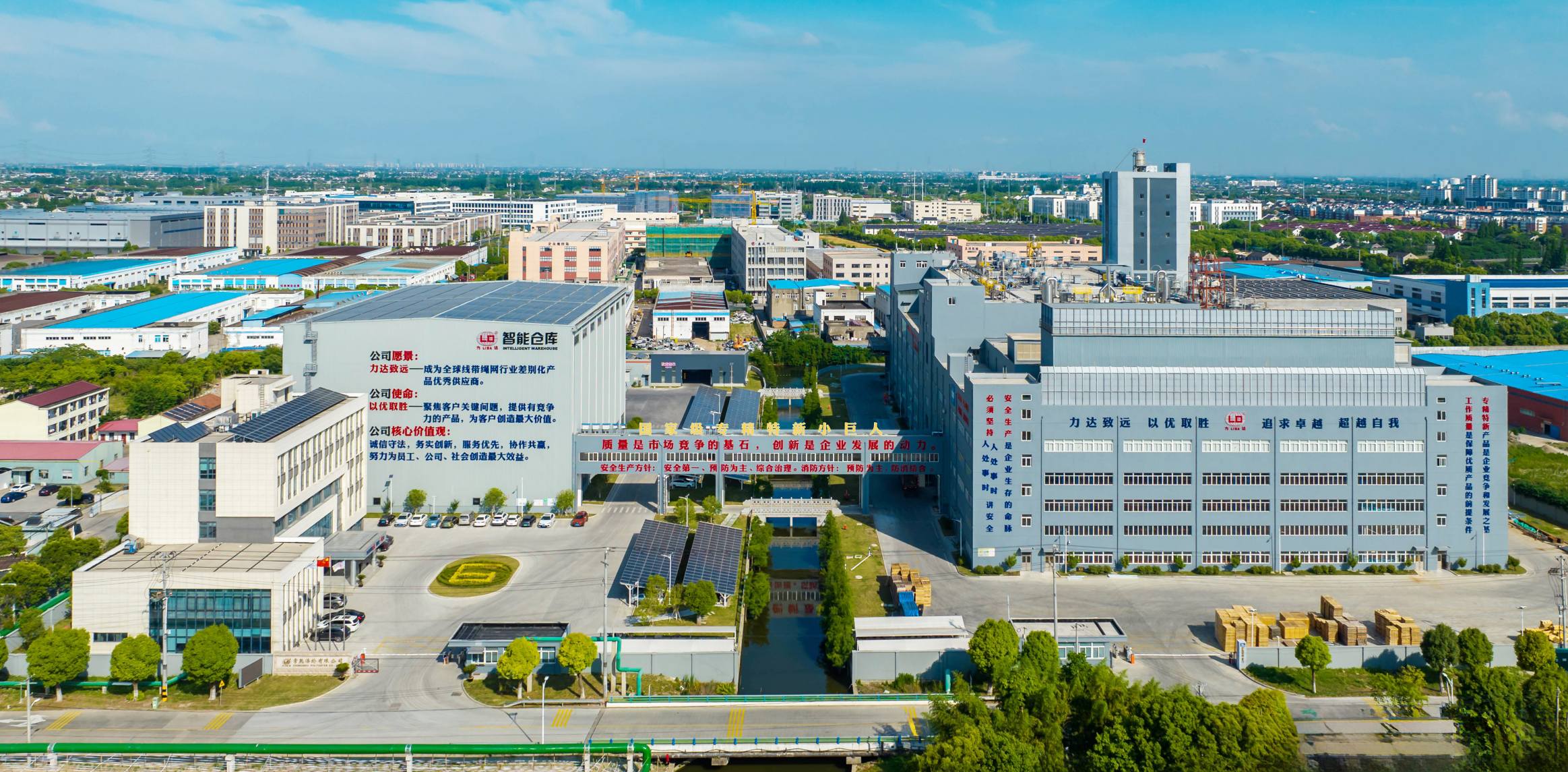
Sunlight, moisture, and heavy use destroy ordinary yarns fast—especially in industrial textiles where every yard has to earn its keep. Anti-UV polyester dope dyed filament yarn flips that story: color is locked in during spinning, not applied on the surface, so it resists fading, chalking, and fiber degradation without extra coatings. Yet not all suppliers deliver the same consistency. Changshu Polyester has spent years refining this yarn for demanding applications, from outdoor furniture to automotive interiors and safety netting. In this post, we break down the real benefits—lower water and energy use, superior lightfastness, and fewer production steps—and where this material outperforms conventional dyed polyester. If you're tired of reordering faded or brittle textiles, keep reading.
Built-In UV Shielding With No Topical Finish Required
Many outdoor products rely on a sprayed-on or dipped coating to block UV radiation, but those layers can wear away unevenly after just a few months of sun exposure. Built-in shielding eliminates that weak point by dispersing the protective elements throughout the material itself during manufacturing. You get consistent performance without the chalky residue or waxy feel that often accompanies topical finishes.
The UV-stabilizing compounds are blended into the polymer or fiber before the final product takes shape. This means the shield won't peel, flake, or rinse off, and it doesn't need reapplication after cleaning. For anything that lives outdoors—from patio furniture to marine canvas—the protection stays locked in for the lifetime of the item.
Because no extra surface layer is added, the material keeps its original breathability, texture, and color clarity. There's no chemical smell or sticky touch to worry about, and manufacturing skips an entire finishing step. The result is a cleaner, more durable solution that quietly does its job without demanding maintenance.
The Fade Test: Why Dope Dyed Colors Stay Truer Longer
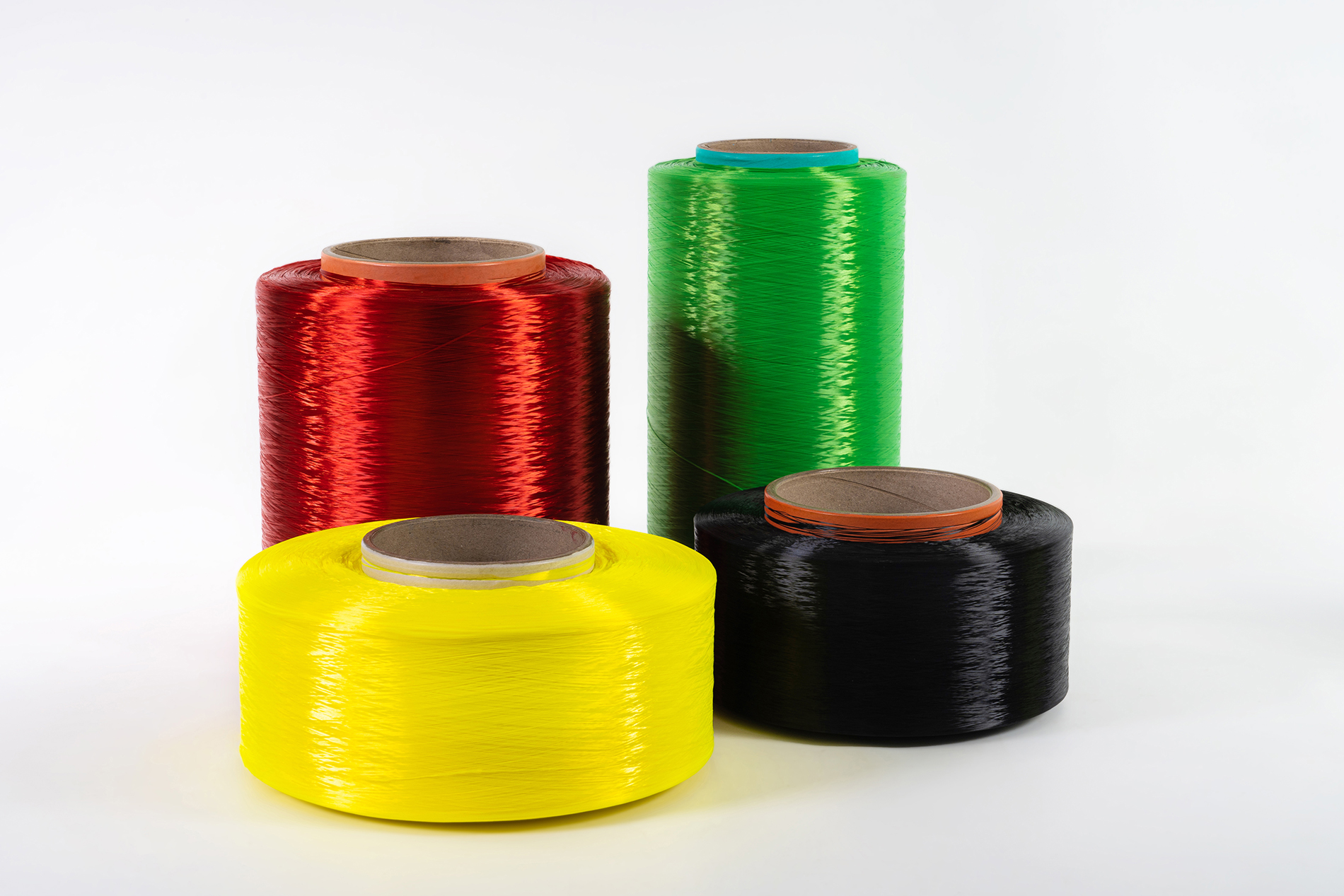
When you run a side-by-side fade test on dope dyed and conventionally dyed fabrics, the difference shows up earlier than most people expect. The piece-dyed sample tends to lose saturation unevenly—high-friction areas go pale first, and the overall tone drifts toward a washed-out gray. Dope dyed material, on the other hand, fades more slowly and more uniformly because the pigment is locked throughout the fiber, not just sitting on the surface. The test isn't about whether fading happens at all; it's about how the color lets go.
A standard accelerated fade test uses xenon or UV exposure to mimic months of sunlight in a few days. With dope dyed yarns, the color change readings stay lower for longer, and the shifts tend to be in lightness rather than hue. That matters visually. A fabric that loses a little brightness still reads as the same color, while one that turns yellowish or chalky looks tired. The embedded pigment also takes some of the UV hit instead of the polymer chain, so the fiber itself often holds up better after the same exposure hours. In real terms, that means fewer complaints about uneven fading across a garment and a color that remains recognizable after repeated washes and sunny afternoons.
Abrasion, Tension, and Sun: How the Yarn Holds Up
Everyday wear hits yarn in predictable ways, and abrasion is the first troublemaker. Fibers with longer staple lengths, like high-quality wool or cotton, tend to resist fuzzing and pilling better than their shorter counterparts. Tightly plied yarns also have an edge here because the twist keeps individual fibers locked together, so they don't rub loose as quickly. For socks, chair pads, or anything that gets constant friction, a dense, multi-ply construction will outlast a soft single.
Tension is a quieter problem but just as destructive over time. Some yarns stretch out and never quite bounce back, leaving projects saggy in all the wrong places. Wool and certain synthetics handle repeated tension well because they have natural or engineered elasticity. Cotton and linen, on the other hand, can lose their shape if you're not careful with gauge and blocking. The best defense is picking a fiber that matches how the finished item will be used and not over-stretching it during knitting or crocheting.
Sunlight works slowly, but it doesn't forgive. Ultraviolet rays break down fiber proteins and polymers, which is why outdoor cushions and car blankets fade and weaken over a summer or two. Natural fibers like silk and wool are particularly vulnerable, while acrylic and polyester hold color longer but may still get brittle. If a project will live near a window or outside, look for UV-resistant dyes and consider a fiber blend designed for exposure.
A Cleaner Dyeing Path That Doesn't Compromise Performance
For a long time, cleaner dyeing came with an asterisk: lower-impact processes often meant flatter shades, weaker rub fastness, or colors that shifted after repeated washing. That assumption is finally breaking apart. Modern dyehouses are reworking their sequences around high-exhaustion dyes, low-liquor-ratio machines, and closed-loop water systems. The result is a path that removes much of the salt, water, and heat from the equation without stealing any of the depth or staying power from the final fabric.
The proof shows up in the lab and on the factory floor. Fabrics run through these updated dyeing routes hold their own against conventionally dyed lots in colorfastness to light, perspiration, and crocking. Batch-to-batch shade consistency remains tight, which matters more than a single impressive test result. Cleaner chemistry no longer means asking designers or buyers to accept a lesser product.
From Truck Covers to Patio Fabrics: Real-World Demands
Truck covers have to survive highway speeds, flying gravel, diesel exhaust, and relentless sun. A vinyl-coated polyester may resist abrasion but gets brittle in cold weather, so manufacturers often add an acrylic topcoat or reinforce hems to stop tears from spreading. Patio fabrics face a different test: they are judged by how they feel on bare skin and whether they fade after one summer. Solution-dyed acrylic resists mildew and holds color well, but its softer hand makes it less suited to constant friction. The real demand is not any single property, but a balance of toughness and weather resistance that still allows the material to be sewn, folded, and handled without difficulty.
Field failures reveal where specifications fall short. Truck tarps crack along fold lines after repeated flexing, while patio cushions wick water through stitching and rot from the inside. That drives practical choices like PTFE thread, heat-sealed seams, and drainage grommets for covers, or open-cell foam and breathable backing for outdoor furniture. Buyers rarely ask for a lab test result; they ask whether the cover still fits after a Wyoming winter or whether the cushion dries before the next rain. Meeting those demands requires testing outside the lab, on real trucks and real porches.
Specifying Anti-UV Polyester Yarn for Repeat Orders
Repeat orders for anti-UV polyester yarn demand more than matching a previous product code. The exact masterbatch concentration, spinneret design, and drawing ratio all influence how uniformly the UV stabilizer is distributed through the filament. If any of these shift between runs, the resulting fabric may show subtle streaks under sunlight or lose its protective rating after fewer washes. Buyers should therefore request a retained sample from the original lot and ask the mill to compare melt viscosity curves, not just final denier and tenacity.
A practical spec sheet for reorders should lock down the UV absorber type and loading percentage, along with the test method used to verify performance. Whether you rely on AATCC 183, EN 13758-1, or an in-house QUV exposure protocol, the pass/fail threshold needs to stay identical from one shipment to the next. Otherwise, a supplier might switch to a cheaper hindered amine light stabilizer and still claim the yarn is UV-resistant, leaving you with garments that degrade unevenly in the field.
It is also worth asking for a small pre-production cone before the full repeat run. Dye uptake, residual spin finish, and even package hardness can drift over time, and any one of these will alter how the yarn behaves in knitting or weaving. A pilot cone lets you confirm that the anti-UV performance and downstream handling match the approved reference before committing to a large batch.
FAQ
With dope dyeing, pigments are dispersed in the polymer melt before extrusion, so they sit throughout the entire fiber cross-section rather than just on the surface. This structure blocks UV rays across the yarn body, and combined with UV stabilizers added during spinning, it prevents the polymer chains from breaking down as quickly as surface-dyed fibers would under sunlight.
Because the UV protection comes from the fiber itself, it doesn't wash off or fade the way topical finishes do. Pigments and stabilizers remain locked in the polymer matrix, so the yarn keeps most of its strength and color even after years of sun, rain, and industrial washing cycles.
Typical uses include outdoor awnings, truck tarpaulins, sail covers, agricultural shade nets, geotextiles, safety harnesses, and automotive interior fabrics. Any product that has to hold up under constant UV exposure and mechanical stress without frequent replacement is a strong candidate.
Yes, and in many cases it improves batch-to-batch consistency. Since color is added before fiber formation, each filament comes out with the same pigment distribution. There is no dye bath variation, no uneven uptake, and no risk of surface dye rubbing off during downstream processing.
It skips the entire wet dyeing stage, so water consumption, chemical auxiliaries, and energy use drop sharply. Wastewater from dyeing is eliminated, and because the color is integral, less re-dyeing or over-dyeing is needed to correct shade issues, reducing overall material waste.
When pigments are well dispersed and the spinning parameters are adjusted correctly, the impact on tenacity and elongation is minimal. Some inorganic pigments can act as nucleation sites, but modern masterbatch formulations are designed to maintain high strength and uniform drawing, making the yarn suitable for demanding industrial applications.
They typically run accelerated weathering tests like QUV or xenon-arc exposure, then measure retained breaking strength and color change. UV protection factor (UPF) is also measured for fabrics intended for shade or protective applications. Combined with long-term outdoor field trials, these tests confirm that the yarn meets the expected service life.
Dope dyed polyester handles a wide gamut from deep blacks and navies to bright safety yellows and reds. Wet and dry color fastness are generally excellent because the pigment is embedded in the fiber, and light fastness is boosted by the same UV stabilizers that protect the polymer, so colors stay true longer than conventionally dyed yarns.
Conclusion
Polyester yarns dyed in the melt take a different path to UV resistance. Instead of relying on a topical coating that wears thin or washes away, the UV stabilizers and pigments are dispersed through the entire filament before it is spun. That built-in shield doesn't peel, crack, or fade from surface abrasion. It also explains why dope dyed colors hold up so well in fade tests: the pigment is locked inside the polymer matrix, not sitting on the surface where sunlight can break it down. Combine that with strong tensile properties and abrasion resistance under repeated flexing, and you get a yarn that keeps its color and structural integrity far longer than piece-dyed alternatives. The cleaner production route is another quiet advantage. Coloring happens during extrusion, so downstream dyeing steps can be skipped, cutting water, energy, and chemical use without sacrificing color depth or consistency.
Real-world applications put these properties to work in demanding settings like truck covers, awnings, patio fabrics, and outdoor furniture. These textiles face constant UV load, wind stress, and physical wear, so a surface-only UV treatment quickly falls short. Dope dyed anti-UV polyester filament yarn handles those conditions with less maintenance and fewer visible signs of aging. For buyers writing specifications, the key is to look past the initial price and check how the yarn performs across batch after batch. Because the color and UV package are set during polymer extrusion, repeat orders can match more reliably than dyed lots that depend on water temperature, dye uptake, and finishing chemistry. That consistency reduces the risk of shaded seams or mismatched panels on large installations. It makes this type of yarn a practical choice for projects where durability, color retention, and dependable supply matter more than short-term cost savings.
Contact Us
Contact Person: CONNIE
Email: [email protected]
Tel/WhatsApp: 86-0512-53671634
Website: https://www.lida-yarn.com/