

Laser Allergy Relief in China: Cutting-Edge Treatment for Lasting Comfort
2026-07-25
Allergy sufferers know the drill: constant sneezing, watery eyes, and that dreaded brain fog. But what if there were a way to reset your immune system's overreactions? In China, a groundbreaking laser treatment is doing just that—and GUANG TAI is at the helm of this medical revolution, delivering lasting comfort with precise, non-invasive technology.
How Laser Therapy Targets Allergies at Their Source
Laser therapy works by delivering specific wavelengths of light to acupoints and tissue zones connected to the body's allergic responses. Unlike antihistamines that simply block symptoms, the laser energy appears to recalibrate the cellular memory that causes the immune system to overreact to harmless substances like pollen or pet dander. This process, often described as a gentle reset, helps retrain the body to recognize these triggers as non-threatening, gradually reducing the intensity and frequency of allergic reactions without the need for ongoing medication.
What sets this approach apart is its focus on the autonomic nervous system, which governs stress and immune balance. Allergies often worsen when the body is stuck in a chronic fight-or-flight state, making mast cells hypersensitive. By stimulating specific nerve pathways with low-level laser light, the treatment can shift the body into a more relaxed, parasympathetic-dominant mode. In that calmer state, the nervous system stops sending constant alarm signals that provoke sneezing, itching, and inflammation, addressing the root imbalance rather than just chasing symptoms after they start.
Because the therapy works on a bioenergetic level, it can be tailored to each person's unique sensitivities. Practitioners often test for individual allergens and then apply the laser to corresponding points on the body, treating the specific patterns that keep the immune system in a loop of overreaction. Over a series of sessions, patients typically notice fewer flare-ups and a more stable baseline—a sign that the body is learning to stop misreading everyday substances as threats. This is not masking the problem; it's teaching the immune system a new, lasting response.
The Science Behind Photobiomodulation and Immune Response
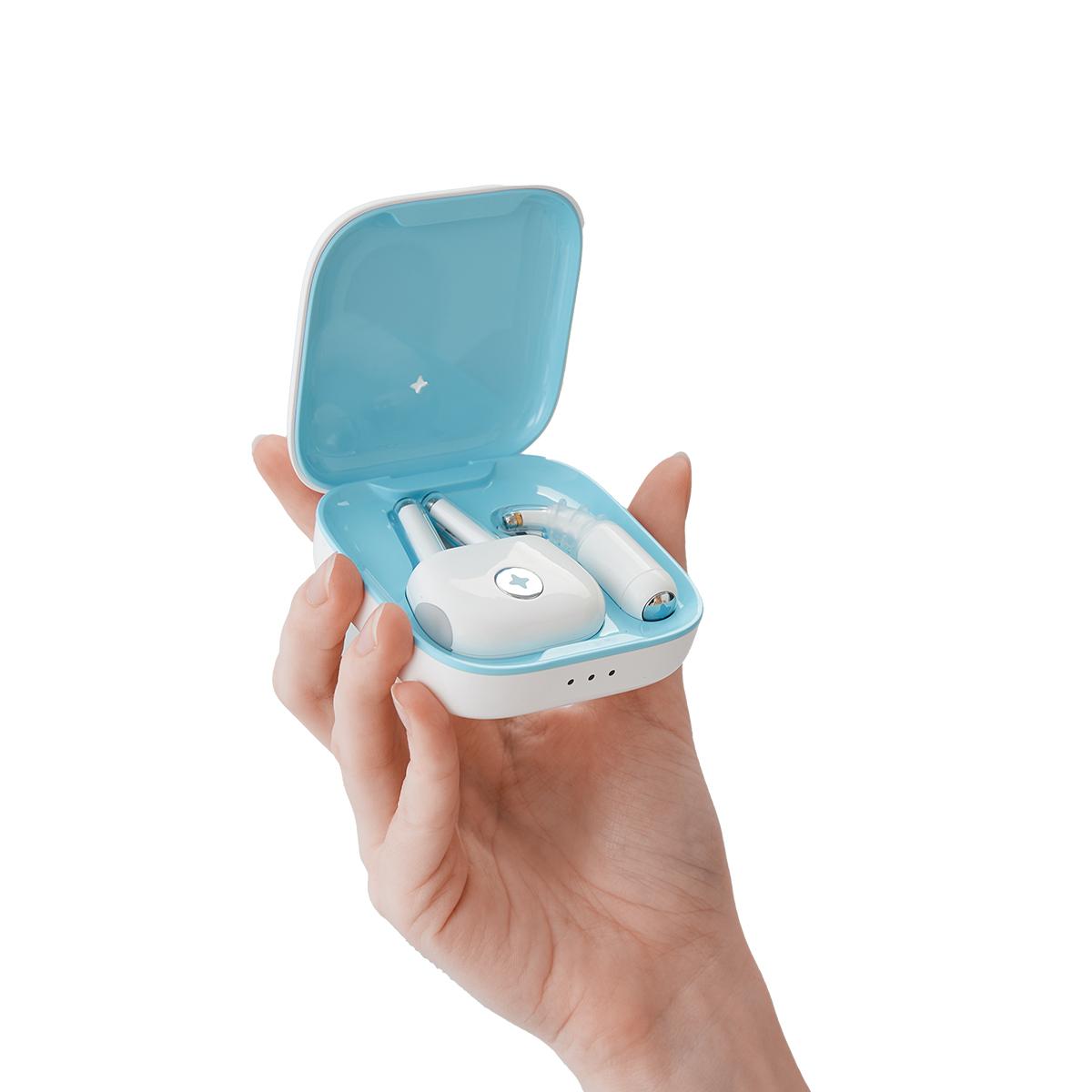
Photobiomodulation, or PBM therapy, uses specific wavelengths of light to trigger biological changes at the cellular level. When light in the red to near-infrared spectrum penetrates the skin, it is absorbed by photoacceptors in the mitochondria, most notably cytochrome c oxidase. This absorption enhances mitochondrial electron transport, boosting production of adenosine triphosphate, the cell’s primary energy currency. The surge in ATP fuels cellular repair and signaling processes that can shift immune cell behavior. For instance, increased energy availability modulates the polarization of macrophages from a pro-inflammatory M1 state toward an anti-inflammatory M2 phenotype, which helps resolve chronic inflammation without suppressing the immune system’s ability to fight pathogens.
Light exposure also triggers the release of reactive oxygen species at low, hormetic levels that activate redox-sensitive transcription factors like nuclear factor kappa B and activator protein 1. These factors regulate the expression of cytokines, chemokines, and other immune mediators, leading to a more balanced inflammatory response. In conditions such as arthritis or tendinopathy, PBM has been shown to reduce levels of interleukin-1 beta and tumor necrosis factor alpha while upregulating interleukin-10, shifting the local environment away from tissue destruction and toward healing. Unlike pharmacological agents that broadly block immune pathways, photobiomodulation fine-tunes the response depending on the tissue’s real-time needs, offering a context-dependent regulatory effect.
Beyond cytokine modulation, emerging evidence links PBM to enhanced lymphatic function and improved circulation of immune cells. Near-infrared light stimulates the production of nitric oxide, a vasodilator that widens blood vessels and increases blood flow to targeted areas. Better perfusion ensures that neutrophils, dendritic cells, and T lymphocytes reach sites of injury or infection more efficiently. At the same time, PBM promotes lymphatic drainage, which accelerates the removal of cellular debris and pro-inflammatory molecules from the interstitium. This dual action on vascular and lymphatic networks supports a swift, coordinated immune response that is neither overactive nor suppressed, making the therapy a promising adjunct for conditions ranging from wound healing to autoimmune disorders.
Why China Leads in Advanced Laser Allergy Solutions
China’s prominence in advanced laser allergy solutions stems from a unique synergy of rapid technological innovation and deep clinical expertise. Over the past decade, Chinese medical device companies have invested heavily in research and development, perfecting laser systems that combine precision, safety, and patient comfort. These systems often integrate artificial intelligence to map individual allergy profiles, allowing for tailored treatment plans that significantly reduce recovery time and side effects. Unlike traditional approaches, Chinese solutions emphasize non‑invasive techniques, making them attractive to a global patient base seeking effective alternatives to medication.
Another key factor is the sheer scale of clinical application within the country. With a vast population and a high prevalence of allergic conditions, Chinese hospitals have accumulated extensive real‑world data, driving continuous refinement of laser protocols. This experience enables practitioners to treat a wide spectrum of allergies—from pollen and dust mites to complex food allergies—with remarkable consistency. The feedback loop between engineers and clinicians is exceptionally tight, resulting in devices that are not only technologically advanced but also user‑friendly for healthcare providers and patients alike.
Cost‑effective manufacturing without compromising quality further distinguishes China’s position. By controlling the entire supply chain—from laser diode production to final assembly—domestic firms can offer competitive pricing that broadens access to advanced care. Combined with supportive regulatory frameworks that encourage innovation, this ecosystem has made China a hub for next‑generation allergy treatments, attracting international collaboration and setting new benchmarks in the field.
A Walkthrough of a Typical Treatment Session
Stepping into the treatment room, you'll notice it's designed to feel more like a quiet living space than a clinical office. Soft lighting, a comfortable couch or armchair, and perhaps some gentle background noise all work to put you at ease. The therapist will greet you and likely start with a simple, open-ended question about how your week has been or if anything significant has come up since your last meeting. This isn't small talk; it's a way of gently transitioning into the therapeutic space and giving you the floor. You might find the conversation begins naturally, without a rigid agenda, allowing you to bring up whatever feels most pressing. Some sessions open with a brief grounding exercise—like taking a few slow breaths together—to help you arrive fully present, especially if you've rushed there straight from work or a stressful situation.
As the session unfolds, the exchange becomes more focused but rarely feels like a formal interview. Your therapist might reflect back something you said, highlight a pattern they've noticed, or ask you to slow down and explore a particular feeling more deeply. It's common for the dialogue to shift between past experiences and current struggles, weaving together insights that might not be obvious at first. Depending on the approach, you may be invited to try a practical exercise—like role-playing a difficult conversation, noticing physical sensations linked to an emotion, or writing down a few key thoughts. The therapist tracks the time and will often steer the conversation toward a natural pause in the last ten minutes. This winding-down phase is crucial; it's where you might summarize what felt meaningful, discuss any lingering distress, and perhaps agree on a small action to experiment with before the next meeting. Nothing is forced, but there's a subtle structure that ensures the hour isn't just venting—it's movement, however slight, toward understanding.
Leaving the session can feel different each time. Some days you'll walk out lighter, as if a knot has loosened; other days you might feel tender or thoughtful, still processing. The therapist will usually walk you to the door, and the goodbye is brief but grounding—a simple acknowledgment that the work continues. Over time, the rhythm of sessions becomes a familiar anchor: the same room, the same dedicated hour, the same steady presence of someone trained to hold space for your most tangled thoughts. It's this consistency, more than any single technique, that often proves most therapeutic.
From Pollen to Dust: What Allergens Can Be Treated
Allergies don’t all look the same, and neither do their triggers. Seasonal culprits like tree, grass, and weed pollen are among the most common, causing sneezing fits and itchy eyes when nature bursts into bloom. But outdoor allergens are only part of the story. Indoor offenders such as dust mites, mold spores, and pet dander often linger year-round, making homes a surprising hotspot for symptoms. Even less obvious triggers—think cockroach droppings or certain foods—can spark reactions that range from mild to severe. The good news is that most of these allergens are manageable with the right approach.
Modern treatment goes beyond simply avoiding triggers (which isn’t always possible). Options like antihistamines, nasal sprays, and eye drops can offer quick relief, while immunotherapy—in the form of allergy shots or sublingual tablets—works to retrain the immune system over time. For dust mite and pollen allergies specifically, environmental controls such as HEPA filters, allergen-proof bedding, and regular cleaning can reduce exposure. Meanwhile, newer biologic medications target specific immune pathways, providing relief for those with severe, persistent symptoms. The key is identifying exactly what you’re reacting to so treatment can be tailored.
Diagnosis often starts with a detailed history and skin or blood tests to pinpoint the offending allergens. Once you know whether it’s ragweed pollen, cat dander, or mold triggering your symptoms, a combination of strategies can help you breathe easier. For many, a multi-pronged plan—combining medication, environmental tweaks, and possibly immunotherapy—makes a real difference. No matter the allergen, from pollen to dust and beyond, there’s a path to better days.
Long-Term Relief and What to Expect After Treatment
Finding lasting comfort after treatment often depends on how well your body adapts over time. Some patients notice steady improvement within weeks, while others experience gradual changes that unfold over months. The key is patience and realistic expectations—true relief rarely happens overnight. Your recovery path will be unique, influenced by factors like your overall health, the nature of your condition, and how consistently you follow through with recommended lifestyle adjustments.
During the post-treatment phase, you might encounter a mix of good days and challenging ones. It’s normal for symptoms to fluctuate as your body heals and recalibrates. Pay attention to subtle signs of progress, such as fewer interruptions to your daily routine or a reduced need for quick fixes. Open communication with your care provider helps fine-tune the approach, ensuring that any lingering issues are addressed before they become roadblocks to long-term relief.
Ultimately, sustaining results goes beyond the initial period of care. Incorporating gentle movement, mindful nutrition, and stress management into your everyday life can reinforce the gains you’ve made. Think of it as an ongoing partnership with your own well-being—one where small, consistent choices build a foundation for lasting comfort. If setbacks occur, they’re not failures but signals to reassess and adjust your strategy with professional guidance.
FAQ
Laser allergy treatment uses low-level laser light applied to specific points on the body to modulate the immune response. It helps desensitize the body to allergens by reducing the overreaction that triggers symptoms like sneezing, itching, and congestion.
It is particularly effective for respiratory allergies such as hay fever, dust mite allergies, and pet dander. Some patients with food sensitivities also report improvement, but it's always best to have a specialist evaluate your specific condition first.
Most people begin to feel noticeable improvement after about 6 to 10 sessions, though the exact number depends on the severity of the allergy and individual response. Maintenance sessions may be recommended once or twice a year.
Unlike medications that only suppress symptoms temporarily, laser therapy works with the body's own regulatory mechanisms to address the root cause of the allergic reaction. The goal is to provide long-term comfort without the side effects like drowsiness or dependency.
The treatment is non-invasive and painless, with virtually no downtime. Occasionally, someone might experience mild temporary redness at the treatment site, but serious side effects are extremely rare when performed by trained professionals.
Yes, it is safe for a wide age range. Because it's gentle and doesn't rely on pharmaceutical drugs, many parents choose it for children, and it's also well-tolerated by older adults who may be sensitive to medications.
Many patients enjoy relief that continues for several months to over a year. The duration varies based on the individual's immune system and exposure to allergens, but periodic follow-up sessions can help sustain the comfort.
You can find reputable clinics in major cities such as Beijing, Shanghai, Guangzhou, and Shenzhen. It's advisable to look for hospitals or centers that specialize in integrative medicine or allergy care to ensure the latest equipment and proper expertise.
Conclusion
Struggling with relentless allergies can feel like a battle without end, but a high-tech shift in treatment is offering a promising path forward. Laser allergy relief, now gaining momentum in China, goes straight to the root of the immune overreaction instead of just numbing symptoms. By using precise wavelengths of light—a process known as photobiomodulation—the therapy gently reprograms how the body responds to triggers like pollen, dust mites, or pet dander. The light penetrates tissues and calms hypersensitive mast cells, dialing down the histamine cascade that causes sneezing, itching, and congestion. What truly sets China apart in this field is its rapid integration of advanced photonics into mainstream allergy care. Specialized clinics combine traditional diagnostic methods with cutting-edge laser systems, creating protocols that are both personalized and evidence-backed. This blend of holistic understanding and engineering prowess has made China a quiet leader, drawing attention from patients worldwide who seek a durable solution beyond daily pills and sprays.
A typical session feels more like a brief wellness check than an invasive procedure. You might sit comfortably while a handheld device works over targeted zones—often around the nose, face, or acupuncture points—for around 15 to 20 minutes, with no downtime afterward. The beam is calibrated to trigger anti-inflammatory and healing responses without heat or discomfort. Over a course of sessions, many find their reactions to everyday allergens diminish significantly. It’s not just seasonal pollens; even year-round nuisances like mold spores and household dust respond well. What’s especially striking is the long-term outlook: rather than temporary masking, laser therapy aims to retrain the immune system, offering lasting relief that few other methods can match. Patients often report not only a drop in acute episodes but also a gradual return to normalcy—sleeping better, enjoying outdoor seasons, and leaving the tissue box behind. As research evolves and more clinics adopt these protocols, laser allergy relief is reshaping what it means to live comfortably with allergies in a modern world.
Contact Us
Contact Person: Leon Yi
Email: [email protected]
Tel/WhatsApp: +86 17363316873
Website: https://zzgt.en.alibaba.com/