

Professional Food Grade Adsorbent Silica: The Key to Extending Shelf Life Naturally
2026-05-20
Preserving food freshness without artificial additives is a constant challenge. Professional food grade adsorbent silica offers a natural, efficient solution by precisely controlling moisture and preventing spoilage. At the forefront of this technology is Zhonglian, delivering premium silica that helps products stay dry, free-flowing, and shelf-stable longer. Curious how such a simple mineral can transform food storage? Let’s dive into the science that makes it indispensable.
The Science Behind Silica Gel’s Moisture-Locking Power
Silica gel might look like simple grains, but its structure is anything but ordinary. Each bead is a labyrinth of microscopic pores—so small they measure in nanometers—that give it an immense interior surface area, roughly 800 square meters per gram. This sponge-like architecture is built from silicon dioxide molecules arranged in a disordered network, creating countless nooks where water molecules can physically cling. Unlike a sponge that merely holds liquid in visible spaces, silica gel traps moisture at the molecular level, so those tiny bags can keep humidity at bay for far longer than you’d expect.
The real magic lies in a process called adsorption—note the ‘d,’ which means water molecules stick to the surface of the gel rather than being absorbed into its bulk. Hydroxyl groups on the pore walls reach out to incoming water vapor, binding them through weak chemical forces known as hydrogen bonds. As the surrounding air becomes more humid, more water gets pulled in, but the gel has a built-in limit: once the pores are coated, it’s done. That’s why you’ll often see color-changing indicators in these packets; the cobalt-free variants now used swap hues when the gel has soaked up all it can, signaling it’s ready for a refresh.
What makes silica gel so practical is that this process is reversible. Heat the beads to a little over 100°C, and those hydrogen bonds break apart, releasing the trapped moisture and leaving the gel ready for another round. It doesn’t degrade, doesn’t swell, and doesn’t leach into the items it protects—unlike some other drying agents that turn to mush or leave residues. This quiet, reversible dance between dry and saturated is why you’ll find silica gel guarding everything from leather shoes to laboratory instruments, all without a hint of noise or fuss.
Why Food-Grade Matters: Safety Without Compromise
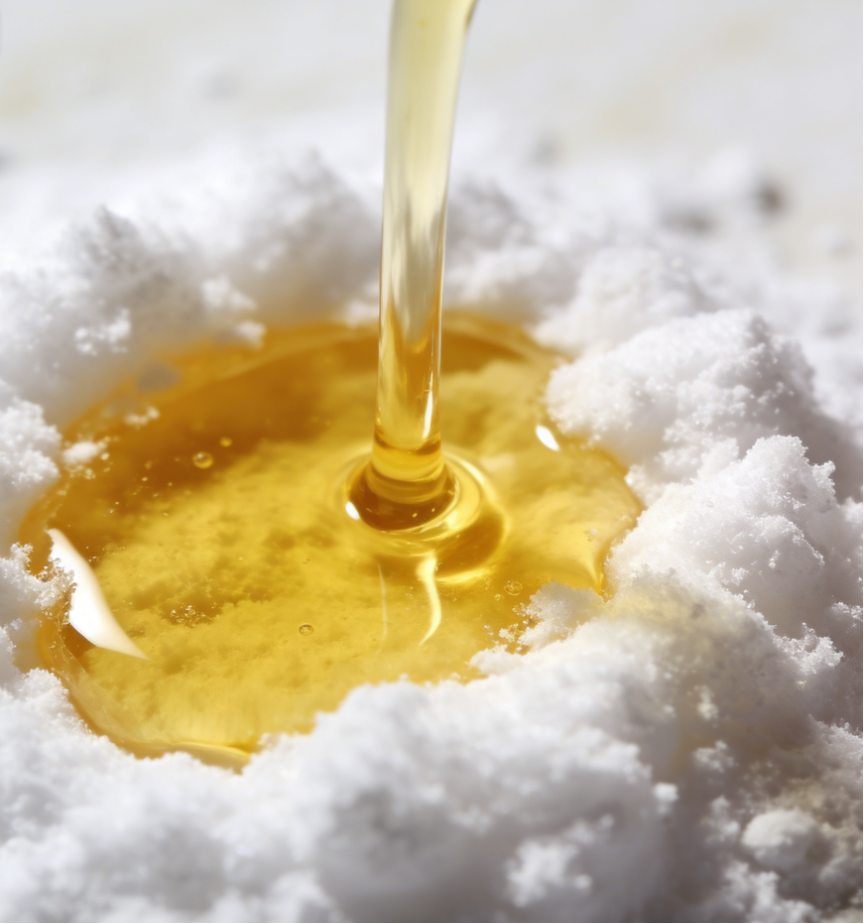
Not all materials are created equal, and when it comes to things that touch your food or drinks, the difference really matters. Food-grade means the material has been rigorously tested to ensure it won’t leach harmful chemicals, off-flavors, or toxins into what you consume—even under heat, acidity, or long-term contact. Unlike industrial-grade alternatives, which might use cheaper, untreated plastics or metals, food-grade products are made with purity and public health in mind.
Skipping on food-grade standards isn’t just a minor oversight—it can introduce serious health risks. Over time, exposure to non-food-safe materials can cause subtle harm, from hormone disruption to heavy metal accumulation. Regulations exist to prevent exactly these dangers, and certified food-grade equipment or packaging is often tested for extremes, like boiling liquids or fatty foods, which can speed up chemical migration. Choosing anything less is a gamble you don’t want to take.
In practice, food-grade reliability shows up everywhere from the silicone seal in a coffee maker to the stainless steel used in a fermentation tank. It’s not just about avoiding immediate sickness; it’s about every meal, every sip, every day. When a product is truly food-grade, it gives you the quiet confidence that your health isn’t being traded for convenience or cost reduction—and that’s a standard worth holding onto.
Extending Freshness Naturally: No Chemicals Needed
Keeping produce vibrant without synthetic additives is simpler than most think. The secret lies in mimicking nature's own preservation techniques: controlling moisture, airflow, and temperature. A dry, cool environment naturally slows down spoilage, while small habits like storing herbs upright in a jar of water or wrapping leafy greens in a breathable cloth can work wonders. These are not tricks but gentle adjustments that align with how fruits and vegetables continue to live after harvest. It's about listening to what the food needs, rather than imposing artificial solutions on it.
Companion planting extends this philosophy from the garden to the kitchen. Certain items naturally support each other's longevity. Potatoes and apples stored together keep the potatoes from sprouting, while ethylene-sensitive goods like cucumbers fare better away from high-ethylene producers like bananas. This is nature's own inventory system—no chemicals required, just a bit of awareness. Even the containers we choose matter; switching from plastic to glass or ceramic can reduce moisture buildup and expose produce to fewer micro-interactions that accelerate decay.
There's also an art to revival that many overlook. Before tossing limp carrots or wilted greens, a quick soak in cold water can bring them back to life. This isn't about adding anything—it's about rehydrating what was temporarily lost. Similarly, trimming the ends of herbs and treating them like fresh flowers keeps them firm and flavorful for days longer. These small acts not only extend freshness but reconnect us with the natural resilience of whole foods, reminding us that nature has its own elegant, chemical-free solutions already in place.
From Packaging to Pantry: Real-World Uses of Adsorbent Silica
You’ve probably tossed countless silica gel packets without a second thought, but their moisture-wicking ability extends well beyond protecting new shoes or electronics. In packaging, these tiny sachets act as silent guardians against humidity, preserving everything from leather handbags to vitamin supplements during transit and storage. By maintaining a dry microenvironment, they prevent mold growth, corrosion on metal components, and the breakdown of active ingredients in pharmaceuticals—often extending product life far longer than expected.
Once you move into the kitchen, the utility of adsorbent silica takes on a different flavor—literally. Placing a clean, food-safe packet or a jar of desiccant beads inside airtight containers can revive the crunch of stale crackers, keep brown sugar from turning into a brick, and stop powdered spices from clumping. It’s a practical trick for home bakers, campers, and anyone who stores bulk ingredients, offering a low-cost alternative to vacuum sealing. Just be sure to use only packets specifically approved for food contact if they’ll touch edibles directly; otherwise, keep them separated by a layer of cheesecloth.
Beyond the pantry, savvy households reuse these packets in seed envelopes for next season’s garden, tuck them into storage bins with holiday decorations to ward off musty odors, or slip them inside important document folders to fend off dampness. The reusability factor is a bonus many overlook: most silica gel can be regenerated in a low-temperature oven and used again countless times, making it an enduring ally in the endless battle against moisture.
Silica vs. Traditional Preservatives: A Cleaner Approach
When you glance at an ingredient list, seeing 'silica' might make you pause, but it's a world away from the synthetic preservatives that consumers have grown wary of. Unlike benzodiazepines or parabens, silica is simply a mineral composed of silicon and oxygen—two of the most abundant elements on earth. It doesn’t disrupt hormones or accumulate in the body; instead, it works physically, absorbing moisture to keep powders free-flowing and foods crisp. There’s no chemical reaction with the product itself, just a passive, inert presence that maintains freshness without meddling. It’s preservation stripped back to a mechanical level, almost elegant in its simplicity.
Traditional preservatives often wage a chemical war against microbes, leaving behind a faint trail of concern about long-term health effects. Silica sidesteps that battlefield entirely. It doesn’t kill bacteria or fungi; it simply removes the water they need to thrive, creating an environment where spoilage organisms can’t get a foothold. This approach doesn’t just feel cleaner—it is cleaner, aligning with a growing preference for ingredients that don’t outsmart nature but work with it. In an era where 'chemical-free' is a hollow promise, silica offers something tangible: a preservative strategy rooted in physics, not synthetic alchemy.
Maximizing Shelf Life: Best Practices for Using Silica Gel
Silica gel might look like tiny pebbles, but its role in preserving goods is hard to overstate. To get the most out of it, always start by matching the quantity to the container size—too little and it saturates quickly, too much is just wasteful. A good rule of thumb is roughly 5 grams for every cubic foot of sealed space, though this varies with humidity levels and the sensitivity of what you're storing.
Placement is another detail that often gets overlooked. Nestle the packets directly among the items, not just tossed on top, so they can absorb moisture evenly. For larger volumes, consider using multiple small packets spread out instead of one large sachet. And don't forget to keep the container truly airtight; silica gel can only work as long as outside humidity is kept at bay.
A common mistake is treating these desiccants as single-use. Most silica gel can be regenerated by gentle heating—spread the beads on a baking sheet and dry them in an oven at a low temperature (around 120°C or 250°F) for a couple of hours. Store the refreshed packets in an airtight jar so they're ready for the next round. With a little attention to these basics, you'll stretch the useful life of everything from electronics to pantry staples.
FAQ
Food grade adsorbent silica is a highly purified, porous form of silicon dioxide specifically designed for direct contact with food. Unlike industrial silica gel, it meets strict purity standards, such as those set by the FDA or EFSA, ensuring it contains no harmful contaminants. Its structure allows it to adsorb moisture, odors, and even certain degradation byproducts without releasing anything back into the food, making it safe for preserving freshness.
Silica works by adsorbing excess moisture and volatile compounds that accelerate spoilage. By lowering the relative humidity inside the package, it inhibits mold growth, enzymatic reactions, and oxidation. This physical process does not add chemicals to the food; it simply modifies the environment to slow down natural deterioration, thereby extending shelf life without artificial preservatives.
Yes, when used as directed, food grade silica is generally recognized as safe (GRAS) by regulatory agencies worldwide. It is inert, non-toxic, and does not react with food components. It’s commonly used in spices, powdered drinks, grated cheese, and even dried fruits. However, it should not be consumed in large quantities, and packaging must prevent accidental ingestion of the desiccant packets themselves.
Silica offers a clean-label solution—it physically adsorbs moisture rather than chemically altering the food. This means no artificial additives on the ingredient list, preserving the food’s natural taste and aroma. Additionally, it leaves no residue and doesn't raise concerns about chemical sensitivity. For brands focusing on natural products, silica aligns with consumer demand for minimally processed foods.
When used properly, silica does not affect taste or texture because it doesn’t come into direct contact with the food in most packaging formats. It works from within a sachet or canister, targeting the headspace. Even when blended directly into powdered products as an anti-caking agent, it’s added at very low levels (typically under 2%) that are undetectable in flavor and mouthfeel.
Food grade silica is available as free-flowing powder, granular beads, or solid packets. Powdered silica is often mixed directly into powdered foods to prevent clumping. Granulated or beaded silica is placed in breathable sachets for use in packaging dried goods, pet foods, and snacks. There are also silica-infused canisters, films, and closure liners that integrate adsorption into the packaging itself.
The required amount depends on the food’s moisture sensitivity, expected shelf life, packaging permeability, and storage conditions. Manufacturers typically calculate the water vapor adsorption capacity needed, often aiming for a 20–40% relative humidity equilibrium. Accelerated shelf-life testing with different silica dosages helps pinpoint the optimal quantity without over-engineering the package.
Yes, silica is a naturally occurring mineral that is abundant and low-impact to mine. It is chemically inert and can be disposed of as non-hazardous waste. Some types are even reusable after regeneration via heating, though this is more common in industrial settings. By reducing food waste through extended shelf life, silica also indirectly contributes to a smaller environmental footprint.
Conclusion
Silica gel’s ability to lock away moisture is rooted in its vast microscopic pore network, which gives plain-looking beads a surface area of up to 800 square meters per gram. Ambient water vapor condenses inside these pores and clings through physical adsorption, rather than a chemical reaction, so humidity stays trapped without changing the food itself. What makes this truly practical for edibles is the food-grade specification; unlike industrial desiccants laced with cobalt chloride or other contaminants, food-safe silica passes rigorous safety checks to ensure zero leaching or off-flavors even in direct-contact scenarios. Because the process relies on pure physics, there is no need for synthetic preservatives, antioxidants, or alcohol-based sprays. This natural moisture control slows mold growth, retains crispness, and delays rancidity in everything from dried herbs to pet treats, offering a cleaner path to extending shelf life.
Beyond sealed packets tossed into retail packaging, silica is finding its way into household pantries, bulk bins, and even homemade snack canisters. Slip a desiccant sachet into a jar of homemade granola or a bag of dehydrated fruit, and you effectively halt the sogging that accelerates spoilage. Compared with traditional preservatives like sulfites or sorbates, this approach introduces nothing foreign into the food—just a stable, reusable mineral that can be regenerated in a low oven. To get the most mileage, pair silica with airtight containers, replace saturated packets promptly, and avoid using it with overly moist items that overwhelm its capacity. When applied thoughtfully, professional food-grade adsorbent silica becomes a humble yet powerful ally in the fight against waste, keeping edibles fresh, safe, and entirely free of chemical additives.
Contact Us
Contact Person: Levin Wang
Email: [email protected]
Tel/WhatsApp: 8618668999988
Website: https://www.silicaplant.com/