

Second Hand Loaders Export: Unlocking Global Opportunities
2026-06-10
In the fast-evolving world of heavy machinery, second-hand loaders are quietly reshaping global trade. As demand for cost-effective, reliable equipment surges across emerging markets, exporters face a golden chance—but only if they know where to look. At JILIANG CHI, we’ve seen firsthand how the right pre-owned loader can unlock projects and profits. This post reveals the untapped strategies that turn second-hand into first-class opportunity.
Why Used Loaders Are Gaining Ground Worldwide
Across construction sites and industrial yards, the conversation around equipment investment is shifting. More project managers are recognizing that a machine's value isn't tied to the new-model smell but to its reliability under load. Used loaders, often indistinguishable from their factory-fresh counterparts in daily output, are winning over skeptics simply by showing up and working without complaint.
The economics of infrastructure development have changed, with tight margins forcing a rethink of capital allocation. A well-maintained loader with a few thousand hours offers the same fundamental capabilities as a new one—lifting, carrying, grading—but at a fraction of the cost. This isn't about settling for less; it's about putting money where it matters, into skilled operators and site logistics, while the iron proves itself on the pile day after day.
A subtler shift is happening in the supply chain itself. The global flow of pre-owned machinery has matured, with specialized dealers offering detailed service histories, component-level inspections, and warranty-like assurances. This new transparency strips away the stigma that once clung to second-hand iron, making a used loader not a gamble but a calculated decision. As word spreads from foreman to foreman, the old prejudice against used gear is quietly being retired.
High-Demand Regions You Should Be Targeting Now
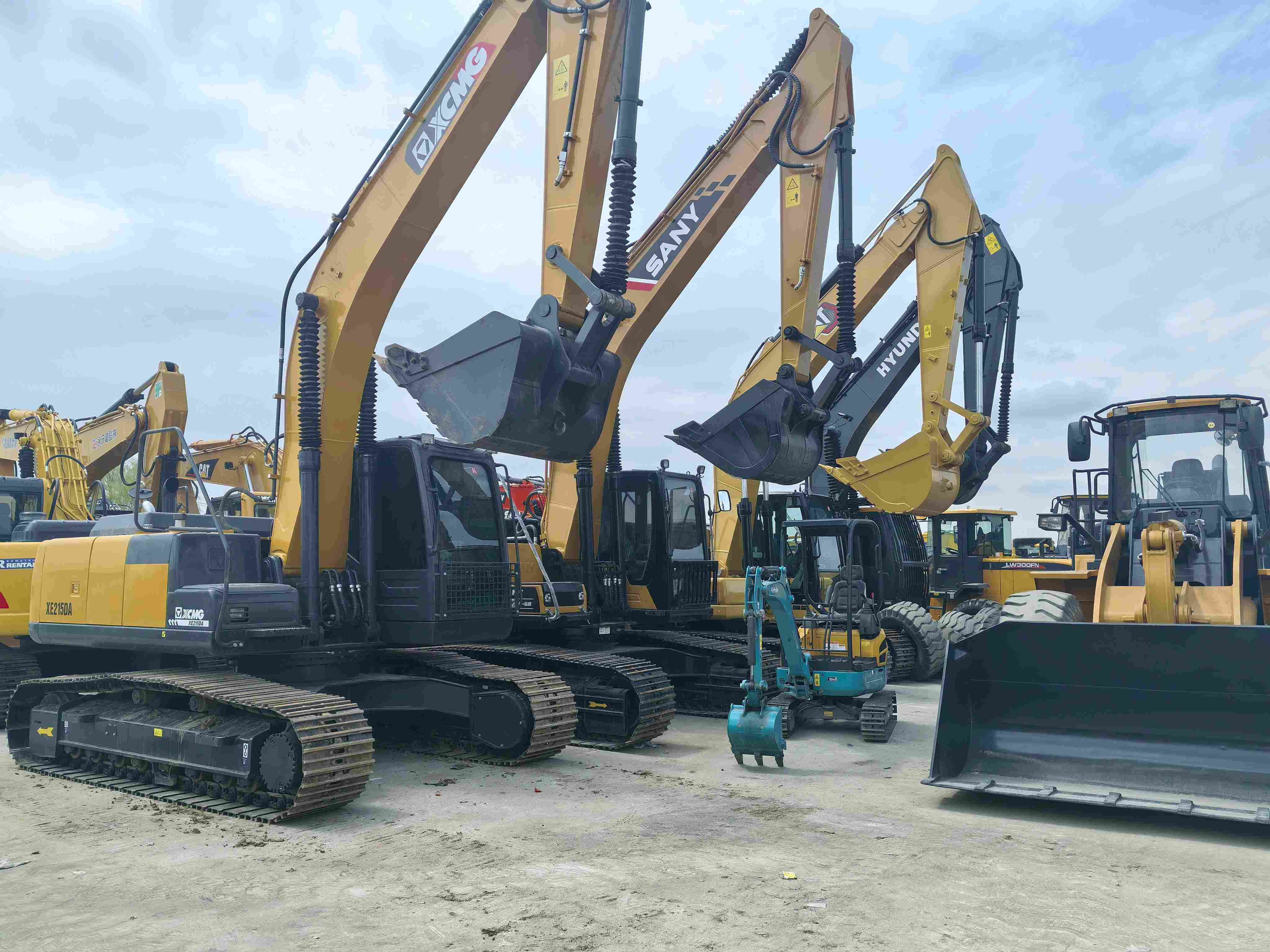
Certain metropolitan areas are experiencing an unprecedented surge in rental demand, driven by a mix of tech industry expansion and lifestyle shifts. Cities like Austin and Raleigh have seen their populations swell as professionals seek more space without sacrificing career opportunities. The ripple effect means even neighboring suburbs are now competitive markets, with rents climbing faster than the national average.
Remote work continues to reshape the map of opportunity, pulling attention toward regions that offer a lower cost of living coupled with natural amenities. Mountain towns and coastal communities previously overlooked are now at the forefront, as digital nomads and families prioritize quality of life. This shift isn't just temporary—it's rewriting the rules of where people choose to plant roots, creating fresh pressure on housing availability.
Infrastructure investment also plays a hidden role, as new transit lines and renewable energy projects give once-sleepy regions a sudden boost. Places that were considered secondary just a decade ago are now central to corporate relocation strategies, and the race to secure properties there is intensifying. The smartest moves today involve looking beyond traditional hotspots and reading the signals of where long-term growth is quietly taking hold.
Overcoming the Biggest Export Hurdles with Smart Prep
Exporting can feel like stepping into a maze blindfolded—unfamiliar regulations, untested supply chains, and payment risks lurking at every turn. But the businesses that thrive internationally don't rely on luck; they lean on rigorous preparation that transforms unknowns into manageable steps. By front-loading your research and mapping every compliance requirement long before the first shipment, you replace panic with precision.
Smart preparation goes beyond checking boxes. It means cultivating local partnerships that help you navigate bureaucratic nuances and cultural expectations that no official guidebook covers. It also means digitizing your paperwork flow early—using e-documentation and tracking platforms so you're never scrambling when deadlines shift or customs officers ask for proof. This kind of groundwork turns potential delays into mere blips on the radar.
Perhaps the most overlooked aspect is treating prep as a living process, not a one-off task. Markets shift, trade agreements evolve, and what worked last quarter might stall you today. Regularly refreshing your knowledge base and stress-testing your export playbook keeps you agile, making hurdles feel less like barriers and more like signals to fine-tune your approach.
How to Inspect and Certify a Loader for Global Buyers
Before a loader ever touches a container ship, a ground-up inspection is non-negotiable. This means checking every weld, hose, and pivot point for signs of wear or poor fabrication. Hydraulic systems need pressure tests that go beyond just factory specs—you’re looking for hidden leaks that could spell disaster halfway across the world. Don’t skip the operator cabin either; loose controls or dodgy safety switches are exactly the kind of thing that turns a profitable sale into a legal headache.
Certification isn’t just a stamp on a form. For global buyers, it’s about proving the machine can handle local regulations without costing a fortune in retrofits. That usually means aligning with international benchmarks, but the real trick is having documentation that a buyer’s local inspectors will actually accept. Too many exporters lean on generic paperwork, only to find the loader held at customs because a test report didn’t reference the right standard or a noise measurement was missing.
What often gets overlooked is how much confidence a truly independent inspection can build. Bringing in a third-party surveyor—someone the buyer trusts—changes the entire conversation. Instead of you selling a machine, it becomes a verified asset that’s already been kicked, prodded, and loaded without issue. Pair that with a clear, photo-heavy report that even a non-engineer can follow, and you’re not just handing over keys; you’re handing over peace of mind.
Shipping Without the Headaches: Logistics Made Simple
We've all been there—tracking numbers that lead nowhere, surprise fees that eat into profits, and customer complaints that keep you up at night. Shipping doesn't have to be a source of stress. With the right approach, you can turn logistics from a necessary evil into a competitive advantage that actually delights your buyers.
The key is cutting through the clutter. Instead of juggling a dozen different carriers and platforms, imagine having one streamlined dashboard where you can compare rates, print labels, and manage returns without opening multiple tabs. Better yet, automated inventory syncing means no more overselling and those dreaded "out of stock" emails become a thing of the past.
Real simplicity also means proactive support. When something goes off track (and it will), having a team that flags issues before you even notice them changes the game. No more digging through carrier portals or waiting on hold. Just clear communication and fast resolutions, so you can stay focused on growing your business, not fighting fires.
Real Stories from Sellers Who Expanded Internationally
When Maya first shipped her handwoven scarves to a boutique in Berlin, she never imagined it would lead to half her revenue coming from Europe. She studied local gifting traditions and adjusted her patterns for Scandinavian minimalists, then landed a feature in a Munich lifestyle magazine almost by accident. The real turning point came when she started offering gift wrapping timed to Saint Nicholas Day—sales spiked 300% that December, all because she paid attention to what local customers actually cared about.
For Carlos, breaking into the Japanese market was a brutal lesson in logistics. His first container of specialty hot sauce sat at customs for two weeks, and by the time he cleared it, he'd already lost a retailer. Frustrated, he flew to Osaka and toured a shared fulfillment center himself. Partnering with them meant his products could reach Tokyo doorsteps in under 24 hours, and within months, repeat orders from salarymen craving heat turned a disastrous start into a reliable revenue stream.
Liam didn't wait until his eco-friendly phone cases were ready to ship internationally—he started posting behind-the-scenes videos of plant-based materials long before launch, targeting hashtags used by sustainability communities in Brazil and South Africa. By the time he set up cross-border payment processing, he already had 2,000 pre-orders from places he'd never visited. The best part? Those first customers became his most vocal ambassadors, translating his product care guides into Portuguese and Zulu without him asking.
FAQ
Construction booms in developing economies, coupled with tighter budgets, are pushing contractors toward reliable used machinery. Many also appreciate the immediate availability that new equipment manufacturers often cannot match, especially when project timelines are tight.
Reputable sellers conduct thorough multi-point inspections covering engines, hydraulics, and undercarriages. Some even offer third-party verification reports with documented service histories, so buyers can feel confident they're getting a machine that will perform as expected.
Southeast Asia and parts of Africa are seeing massive infrastructure investments. In these regions, buyers seek sturdy equipment like loaders without the premium pricing, making them ideal destinations for well-maintained second hand units.
Port delays, incomplete documentation, and improper crating can cause headaches. Working with freight forwarders who specialize in heavy machinery and double-checking each country's import regulations ahead of time helps keep things moving smoothly.
Depreciation hits new machines hard in the first year, so a lightly used loader can be a smarter investment. Plus, older models often have simpler electronics that mechanics in remote areas can repair more easily, reducing downtime.
Tariffs vary widely, but experienced exporters can advise on harmonized system codes and available exemptions. They might also structure deals to include landed costs, giving buyers clarity on the total expenditure upfront.
Transparency is everything. Providing clear photos, operating hours, and honest wear assessments, along with responsive post-sale communication, turns one-time buyers into repeat customers and even referral sources in their local markets.
Conclusion
The market for second-hand loaders is expanding fast as contractors and municipalities globally seek affordable, reliable machinery without the steep depreciation of new units. Regions like Southeast Asia, Africa, and South America are driving demand, where infrastructure projects multiply but budgets remain tight. Sellers who succeed target these areas by understanding local regulations, adapting to regional preferences, and offering machines that strike the right balance between cost and capability. Smart preparation means overcoming common export hurdles—emissions standards, import duties, and paperwork—long before a deal closes. By staying ahead of compliance requirements and building relationships with trusted local brokers, exporters turn potential roadblocks into stepping stones for sustained international growth.
Behind every smooth transaction is a rigorous inspection and certification process that reassures buyers thousands of miles away. Detailed condition reports, high-resolution imagery, and third-party inspections create transparency that wins trust and commands better prices. Logistics, often seen as a headache, becomes manageable with partners who handle containerization, freight forwarding, and last-mile delivery seamlessly. Real-world success comes from sellers who learned to adapt—like a trader in Europe who now customizes loaders for African mining conditions or an American exporter who streamlined his shipping to cut delivery times by 40%. These stories prove that with the right strategy, second-hand loader exports are not just profitable but truly global opportunities waiting to be unlocked.
Contact Us
Contact Person: Sally Xiao
Email: [email protected]
Tel/WhatsApp: 086-18221477398
Website: http://www.shjiliangchi.com/