

Vaginal Tightening Laser Original Manufacturer: What Every Clinic Needs to Know
2026-05-17
Choosing the right vaginal tightening laser starts with understanding the source. As an original manufacturer, GUANG TAI offers clinics direct access to advanced technology without the markup. This post uncovers critical insights every clinic must consider before investing.
Why Original Equipment Matters in Vaginal Laser Procedures
When considering vaginal laser treatments, the source of the equipment plays a larger role than most realize. Original equipment from the manufacturer undergoes rigorous testing and calibration to deliver precise energy levels tailored for delicate mucosal tissue. This precision minimizes the risk of overtreatment or burns, ensuring the procedure is both safe and effective. Clinics using genuine devices also have direct access to manufacturer-provided training and updated protocols, which translates to a more confident and skilled application during your session.
Generic or uncertified alternatives often cut corners on component quality and lack the nuanced settings that protect sensitive areas. Without the proprietary safety mechanisms built into original systems, there’s a higher chance of inconsistent results or even long-term discomfort. Patients might not see the difference in the device itself, but the outcomes—tissue regeneration, collagen stimulation, and symptom relief—are intimately tied to the authenticity of the technology. It’s similar to the difference between a tailored garment and an off-the-rack imitation: the real thing fits your body’s needs without compromise.
Key Differences Between Original and Rebranded Devices
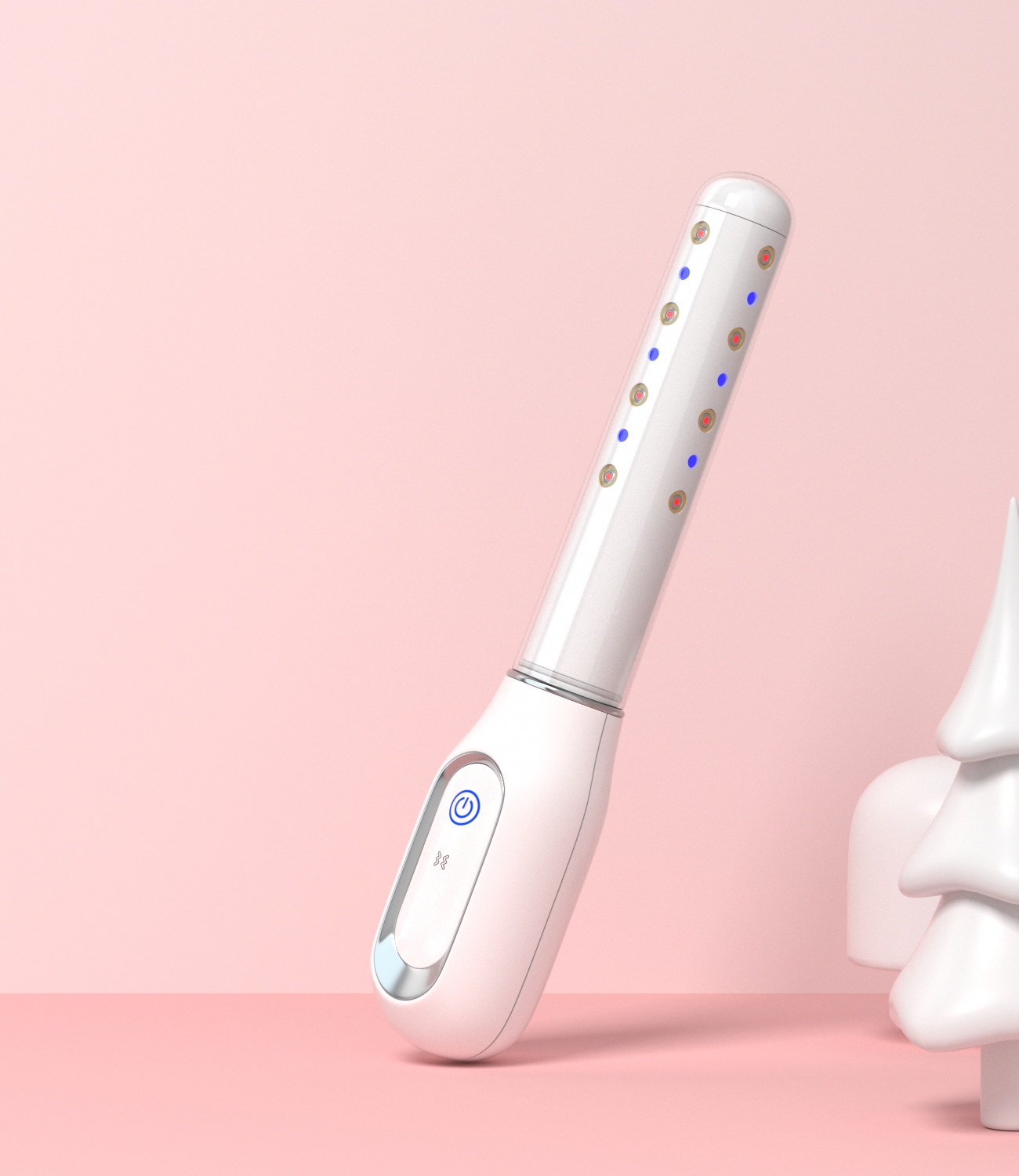
On the surface, many rebranded gadgets look almost indistinguishable from the original models they’re based on. The chassis might be identical, the ports in the same places, and the display cut from the same factory glass. But subtle things start to feel off once you power them on—preloaded apps you didn’t ask for, a slightly different font in the menus, or settings menus that have been stripped down. These small tweaks are usually made to cut licensing costs or to slap on a customized skin, and they often come at the expense of a seamless out-of-the-box experience. The original device feels more coherent because the hardware and software were designed under one roof, not glued together after the fact.
Dig a little deeper and the differences become more concrete. Rebranded units frequently ship with firmware that’s a generation behind, missing out on stability improvements or battery optimizations the original manufacturer already rolled out. Internals like the camera sensor or battery might be sourced from a secondary supplier to shave a few dollars off the build cost, which results in inconsistent performance you can’t always spot in a spec sheet. The antennas and shielding inside the case are often simplified as well, which means Wi-Fi and Bluetooth may not hold a connection as steadily. None of this means the device is guaranteed to fail, but it does mean you’re rolling the dice on parts that were never part of the original BOM.
Then there’s the ownership experience over time. Original devices tend to follow a predictable update cadence, with security patches arriving regularly long after launch. Rebranded siblings may get one or two updates at best before the manufacturer moves on to the next model, and replacement parts can be a nightmare to track down because the device was never widely distributed. Communities around troubleshooting and modding are naturally smaller, too, so if something goes wrong you’re largely on your own. That longer-term support gap often ends up costing more in frustration than the money you saved upfront.
Red Flags a Clinic Can Spot Before Buying
One glaring warning sign is inconsistent or opaque financial records. If revenue numbers seem too good to be true or expenses are vaguely categorized, there’s likely something being hidden—bad debt, pending lawsuits, or personal expenses funneled through the business. A practice that can’t clearly explain fluctuations in monthly cash flow or suddenly shows a dip in patient volume right before a sale might be masking deeper operational cracks.
Staff turnover that spikes without reasonable explanation often points to management problems you’ll inherit. When tenured employees leave in clusters, it’s rarely about pay alone—it could signal burnout from understaffing, toxic workplace dynamics, or disputes over patient care standards. Talking informally to a few team members during due diligence can reveal whether morale is genuinely healthy or merely polished for buyers.
Outdated or poorly maintained equipment isn’t just a capital expense; it’s a liability that affects patient outcomes and referral trust. A seller who delays basic upgrades or patches things together with short-term fixes may leave you with a facility that can’t compete. Pair that with a neglected online reputation—unanswered negative reviews, a website that’s years behind—and you’re looking at a clinic that has been coasting on past goodwill rather than actively managing its presence.
How Manufacturer Support Shapes Clinical Success
In the fast-evolving landscape of medical devices, the relationship between manufacturers and clinicians often determines not just the adoption of a new technology, but its long-term clinical impact. Manufacturer support goes far beyond merely providing a product; it encompasses training, ongoing education, and real-time troubleshooting that empower healthcare professionals to use devices with confidence and precision. When a manufacturer invests in a dedicated team that offers hands-on guidance during initial procedures, it dramatically reduces the learning curve and minimizes the risk of user error. This early support fosters a sense of partnership, enabling clinicians to integrate the technology seamlessly into their workflow and achieve better patient outcomes from the start.
Moreover, continuous technical and clinical backing plays a pivotal role in refining protocols and adapting to real-world challenges. As procedures become routine, manufacturers who maintain an open feedback loop can collect valuable insights, leading to iterative improvements in device design and usage techniques. Regular check-ins, advanced training sessions, and case review meetings ensure that clinicians stay abreast of the latest advancements and best practices. This proactive engagement not only enhances safety and efficacy but also nurtures a collaborative environment where both parties learn and evolve. Ultimately, such sustained support transforms a transactional purchase into a dynamic clinical partnership that drives consistent, high-quality care.
The downstream effects of robust manufacturer support are equally evident in institutional reputation and patient trust. When clinicians feel well-supported, they are more likely to push the boundaries of innovation, exploring new applications that can lead to groundbreaking outcomes. This success builds a track record that attracts both patient referrals and professional recognition, creating a virtuous cycle of excellence. In contrast, devices backed by minimal support may languish despite their technical merits, simply because clinicians lack the confidence or knowledge to deploy them effectively. Thus, manufacturer support is not a mere add-on but a strategic cornerstone that shapes the entire clinical narrative, turning potential into proven success.
Questions Only the Original Maker Can Answer
No one else spent those late nights testing prototypes, tweaking the smallest details until they felt right. There's a quiet knowledge that comes only from building something with your own hands, a familiarity that can't be replicated by reverse engineering.
The maker remembers the version that never saw daylight, the why behind every choice, and the mistakes that shaped the final form. These aren't answers you find in manuals or tear-downs; they live in the maker's mind, accessible only through direct conversation.
So when you hold the finished piece, you're not just holding an object—you're holding a thousand invisible decisions. And the real story? It starts when someone asks a question only the original hands can answer.
The Long-Term View: Upgrades, Training, and Trust
When organizations talk about longevity, they often overlook the quiet disciplines that make it possible. Upgrades aren't just about chasing the latest version number or flashy new features. They're a deliberate commitment to staying secure, efficient, and adaptable as circumstances shift. A piece of software that never evolves is a liability disguised as a familiar comfort. By embedding a steady rhythm of thoughtful improvements—not rushed, not reactionary—you protect the core of your operations from stagnation, and you signal to everyone involved that the tools you use are worth investing in for the long haul.
Training is where the long-term view really takes root. It's easy to see learning as a one-time event—a workshop, a manual, a quick onboarding session. But the truth is messier and more human. People forget. Roles change. New hires arrive with fresh gaps in knowledge. A sustained investment in ongoing education turns your team into a living asset rather than a fixed resource. When training is woven into the weekly rhythm, not just the crisis moments, you create a culture where curiosity becomes second nature, and every person feels equipped to handle both today's tasks and tomorrow's unknowns.
Trust doesn't emerge from a single stunning success or a well-worded promise. It accumulates grain by grain, through repeated experiences where technology performs as expected, data stays protected, and support actually helps when things go sideways. A long-term view demands that you prioritize reliability over novelty—choosing partners, platforms, and processes that have proven they can endure. When people trust their tools and the systems behind them, they take smarter risks, share honest feedback, and build the kind of resilient relationships that no quarterly sprint could ever produce.
FAQ
A vaginal tightening laser uses controlled thermal energy to stimulate collagen remodeling in the vaginal canal, improving laxity. Original manufacturers design and engineer the full system in-house, ensuring precise control over wavelength, pulse duration, and cooling mechanisms. Resellers often white-label devices from unknown factories, leaving you with inconsistent performance and no direct access to technical updates.
Direct purchase eliminates middlemen who mark up prices without adding value. You get genuine warranty coverage, immediate software upgrades, and direct training from the people who built the machine. Distributors rarely stock spare parts or have factory-trained technicians, which can leave your device idle for weeks if something goes wrong.
Ask for the design history file, manufacturing quality certifications like ISO 13485, and proof of in-house R&D. Visit their facility or request a video tour of the production line. A real manufacturer will openly share patents, clinical study involvement, and FDA or CE clearance documents that list them as the legal manufacturer.
Look for adjustable depth and energy settings to tailor treatments to different tissue types, real-time temperature monitoring to avoid burns, and a proprietary handpiece design that's been tested for repetitive use. Original manufacturers often add smart features like treatment data logging and built-in safety lockouts that you won't find in generic copies.
The manufacturer usually provides a dedicated support team with factory-trained engineers, rapid spare part replacement, and ongoing clinical mentorship. Third-party vendors often rely on outsourced repair services with little knowledge of the device. If a critical component fails, you might wait weeks for a part that the vendor doesn’t even stock.
At minimum, demand FDA clearance or CE marking with the manufacturer’s name on the certificate, not just a distributor’s. Ask for peer-reviewed clinical studies on their specific device model showing patient outcomes and adverse events. Check if they have ISO 13485 quality management, IEC 60601 electrical safety testing, and biocompatibility reports for any patient-contacting parts.
The upfront price may look higher, but hidden savings come from longer device lifespan, lower repair frequency, and free or low-cost training updates. Many clinics overlook the marketing value: manufacturers often provide patient education materials and co-branding opportunities that can fill your appointment book faster than a no-name device ever could.
Conclusion
Clinics investing in vaginal tightening lasers often face a maze of options, but one truth stands out: the original manufacturer is the only source that guarantees genuine technology, safety, and performance. When a device is rebranded, clinics inherit hidden risks—inconsistent energy output, unverified clinical data, and firmware that may never be updated. Spotting red flags early, such as vague certification claims or reluctant vendors dodging questions about origin, can save a practice from costly mistakes. Original equipment holds the integrity of the procedure; it’s built on rigorously tested protocols and direct accountability, not third-party guesswork.
Beyond the hardware, the manufacturer’s ongoing support defines long-term success. Only the original maker can provide authentic training, swift troubleshooting, and upgrades that keep pace with clinical science. When complications arise or technique questions emerge, direct access to the engineering team behind the laser is invaluable. This relationship extends into the future—clinics aligned with the source receive first access to new handpieces, safety patches, and clinical insights. Trust is earned through transparency, from detailed service histories to clear upgrade pathways, ensuring that the investment today remains relevant and safe for years to come.
Contact Us
Contact Person: Leon Yi
Email: [email protected]
Tel/WhatsApp: +86 17363316873
Website: https://zzgt.en.alibaba.com/