

Wholesale Laser Safety Windows: What You Need to Know Before Buying
2026-05-27
Sourcing laser safety windows in bulk isn’t just about finding the lowest price—it’s about ensuring every unit meets rigorous safety standards without unexpected compromises. Whether you’re outfitting a research lab, a manufacturing floor, or a medical facility, the wrong choice can lead to costly downtime or serious hazards. At LASERPAIR, we’ve seen how small oversights in specifications or supplier claims can snowball into big problems. This guide cuts through the noise, giving you the key factors to evaluate before placing a wholesale order, so you get reliable protection and real value from your investment.
Understanding Laser Safety Window Classifications
Laser safety windows are not just ordinary glass—they are engineered barriers that protect against specific laser wavelengths and power levels. The classification system is built around optical density (OD), which indicates how much the window attenuates the beam. A window with OD 4 reduces the laser intensity by a factor of 10,000, making it suitable for moderate-power applications, while higher OD ratings handle more hazardous exposures. These classifications also account for the laser’s wavelength, since protection must align with the exact light color the laser emits.
Beyond optical density, windows are categorized by their resistance to direct laser hits and their ability to maintain integrity over time. Some are designed for continuous wave lasers, others for pulsed beams that deliver energy in sharp bursts. The material matters enormously—polycarbonate might be fine for certain wavelengths, while coated glass or acrylic composites are needed for others. Standards like EN 207 and ANSI Z136 break these down into specific ratings that combine wavelength protection ranges and damage thresholds, so a window rated D 1064 L5, for instance, tells you exactly the kind of laser it can withstand and for how long.
In practice, specifiers look at the classification label much like a safety code. A window marked with a particular L-rating means it has been tested to survive direct exposure for a set duration, often 10 seconds, without allowing hazardous transmission. This durability categorization separates everyday protective barriers from those needed in high-risk industrial or research settings. Understanding these classifications helps facilities match the right window to lasers used in cutting, medical procedures, or scientific experiments, ensuring that the shield never becomes a weak point.
Key Material Choices for Optimal Protection
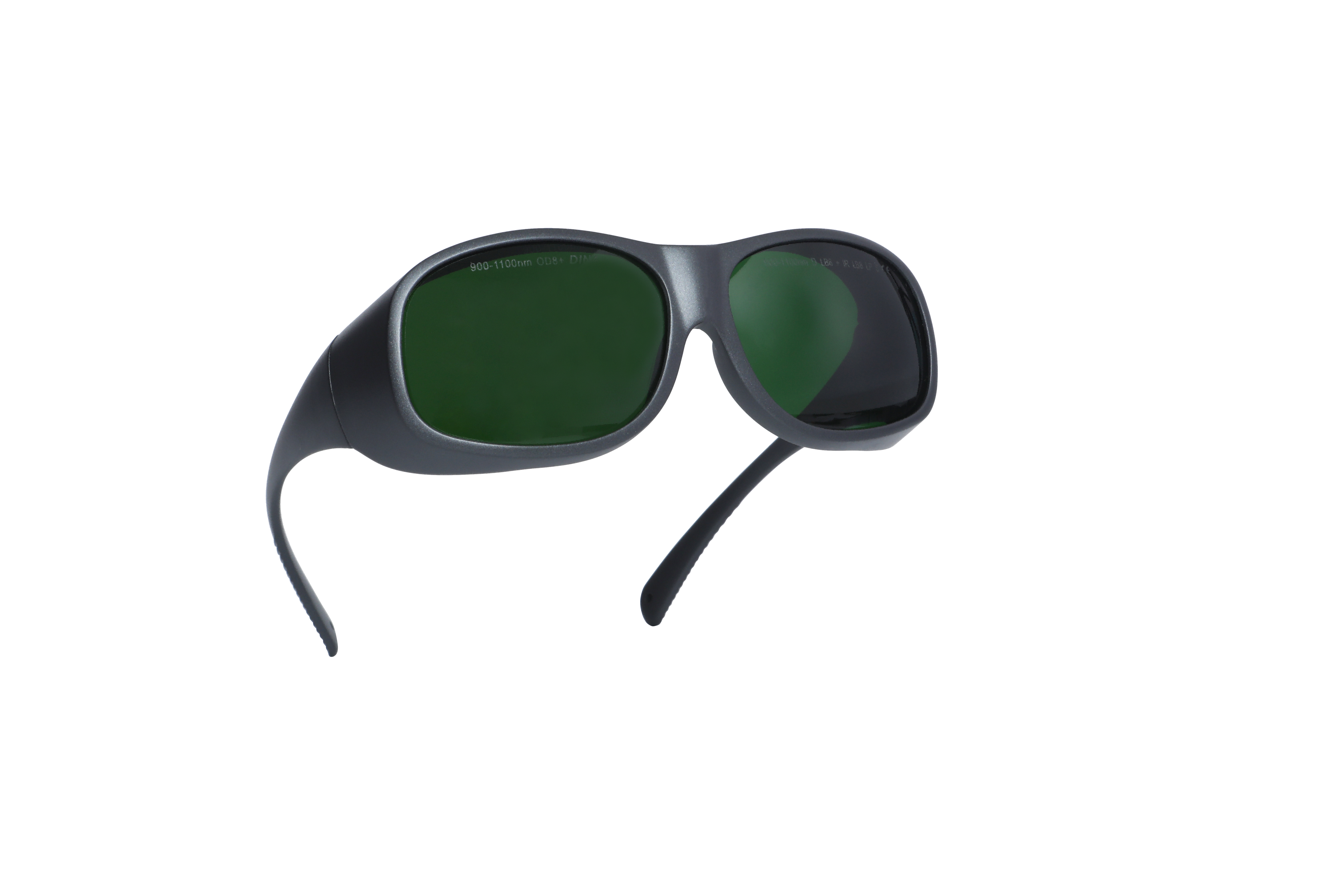
When you're thinking about materials that truly shield against harm, the decision rarely hinges on a single property. It’s a balance of weight, flexibility, and resistance to specific threats—be they ballistic impacts, sharp edges, or chemical exposure. Aramid fibers like Kevlar have long set the standard for soft armor, dispersing energy across their tightly woven threads. But the landscape has widened dramatically.
Polyethylene variants, especially ultra-high-molecular-weight versions (UHMWPE), are gaining ground for applications where every ounce counts. Their low density and impressive tensile strength make them ideal for helmets and vests that need to stay wearable for hours. Meanwhile, ceramics—alumina, silicon carbide, boron carbide—dominate hard armor plates. They shatter an incoming round through their extreme hardness, though the trade-off is often a heavier, more rigid product. Then there's steel: cheap and rugged, but noisy and prone to spalling unless coated.
What’s often overlooked is how these materials perform together. A hybrid panel might pair a ceramic strike face with a UHMWPE backing to catch fragments, offering a tiered defense that outperforms any single layer. The trick isn’t just picking the “strongest” material, but mapping the actual use case—mobility vs. maximum cover, heat vs. cold, budget vs. top-tier. That kind of nuanced thinking turns raw materials into genuine protection.
Custom Sizing and Installation Considerations
Every space comes with its own quirks, so expecting a standard size to fit perfectly is often wishful thinking. Whether it’s an awkward corner, a non-standard ceiling height, or a uniquely shaped alcove, customization becomes less of a luxury and more of a practical necessity. The first step is always a thorough on-site measurement, but don’t just rely on a tape measure—consider how the object will interact with existing fixtures, traffic flow, and even natural light. A unit that’s a few centimeters too wide can disrupt movement, while one too short might look unintentionally dwarfed. It’s these subtle details that separate a seamless integration from a constant visual annoyance.
Beyond dimensions, the installation environment often throws curveballs that can’t be predicted from a catalog. Wall materials, for instance, dictate the type of anchoring required—drywall demands different support than brick or concrete. In older buildings, uneven floors or out-of-plumb walls can mean that even a perfectly measured piece will need shimming or custom brackets. It’s wise to plan for these hidden factors early, because retrofitting a solution after the fact is both messy and expensive. Pre-installation consultations with a specialist can uncover issues like hidden wiring, plumbing, or ventilation that might interfere, allowing the design to adapt before any cutting or drilling begins.
Finally, think about long-term adaptability. A space that works beautifully today might need to accommodate different needs tomorrow—perhaps a growing family, a shift in how the room is used, or even just a change in furniture layout. Incorporating adjustable components or modular elements into the initial design can save a world of hassle later. Similarly, consider future maintenance access: ensuring that key parts remain reachable without extensive disassembly keeps minor tweaks from turning into major projects. A little extra foresight during the customization and installation stage pays off by making the whole setup more forgiving and responsive to real life.
Balancing Visibility and Safety Requirements
Striking a functional balance between clear sightlines and robust protection is rarely straightforward. In environments like manufacturing floors or public transport hubs, you want operators and pedestrians to have unobstructed views of moving machinery or approaching vehicles, yet you can’t sacrifice barriers that prevent accidents. It’s a tension that plays out in material choices—glass that’s thick enough to withstand impact but still crystal clear, or fencing with gaps wide enough for visibility yet narrow enough to stop debris.
Practical solutions often come down to thoughtful design rather than off-the-shelf fixes. For instance, angled lighting that illuminates workspaces without casting blinding glare across forklift paths, or laminated safety glass that stays intact even if cracked. In outdoor settings, landscaping elements like low hedges can subtly guide foot traffic while preserving sightlines for surveillance. These choices aren’t just about ticking compliance boxes; they require anticipating how people actually move through and interact with a space.
Getting the mix right usually evolves over time. What works on paper might need tweaking once real-world usage reveals blind spots or over-engineered safeguards that slow things down unnecessarily. Regularly walking the space with operators and safety teams, observing near-misses, and staying open to newer materials—like high-transparency polycarbonate—helps keep the balance from tilting too far in either direction. After all, the ideal is an environment that feels open and navigable, while quietly preventing harm.
Regulatory Compliance and Certification Essentials
Navigating the regulatory landscape requires more than just checking boxes—it demands a deep understanding of how standards like GDPR, HIPAA, or ISO 27001 translate into everyday operations. True compliance starts with mapping your data flows, understanding jurisdictional nuances, and embedding controls that adapt as laws evolve. It’s about building a culture where privacy and security aren’t afterthoughts but core to how the organization functions.
Certifications serve as a shorthand for trust in a crowded market, but they’re only meaningful when backed by rigorous, ongoing validation. Whether it’s SOC 2, PCI DSS, or FedRAMP, the real value lies in the evidence you provide—logs, policies, and test results—that prove your systems hold up under scrutiny. Avoid treating audits as static events; instead, treat them as continuous feedback loops that sharpen your risk posture and surface blind spots before regulators do.
One common pitfall is conflating compliance with security. Meeting a regulation’s minimum bar won’t stop a determined attacker, nor will it automatically satisfy your customers’ rising expectations. The companies that stand out weave certification requirements into broader governance frameworks, linking them to real-world threats and business objectives. That way, when an assessor asks how you handle data retention or access control, the answer isn’t just a policy document—it’s a demonstrable, measurable part of how you work every day.
Cost Factors and Bulk Ordering Benefits
The final price tag on any manufactured product reflects a mix of raw material expenses, production process complexity, and the scale of output. Fluctuations in commodity markets can push component costs up or down, while the need for specialized tooling or skilled labor adds a layer of overhead that smaller runs simply can’t absorb efficiently. When production volumes are low, these fixed costs hit each unit harder, making the per-item cost disproportionately high.
Placing a larger order flips that equation. Suppliers can secure better rates on materials because they’re buying in bulk themselves, and production lines run longer without changeovers, which slashes downtime and labor waste. The savings from consolidated shipments, reduced packaging per unit, and the ability to negotiate longer-term contracts all contribute to a final cost that drops noticeably as quantity climbs—often far beyond the simple arithmetic of volume discounts.
FAQ
Regular glass or plastic panes can't filter out dangerous laser wavelengths—they might even focus the beam or shatter under high power. Laser safety windows are made from specialized materials that absorb or reflect specific wavelengths, reducing the beam intensity to harmless levels. They're rated by optical density, which tells you how much attenuation you get at a given wavelength.
You'll want to confirm the damage threshold—that's the maximum power density the window can handle before the material degrades or burns. Also pay attention to visible light transmission (VLT); if you need to see through the window clearly, high VLT matters. And don't overlook the frame or mounting style—some wholesalers offer options that affect installation and long-term stability.
Yes, those are exactly the ones to look for. EN 207 is the European norm that rates laser protective eyewear and windows under direct beam exposure, while ANSI Z136 is an American safety standard for laser use. A window labeled as meeting either has been tested to withstand a direct hit for a specified duration without failing. Ask for the test certificate if you're outfitting a high-risk lab.
Start by listing each laser wavelength and its maximum output power. Then calculate the attenuation needed to bring the beam below the maximum permissible exposure (MPE) limit. The optical density you need is the highest among all wavelengths you're using. Many suppliers provide charts or can help with this calculation—don't guess, because an underspec'd window gives a false sense of security.
Most reputable wholesalers offer custom fabrication: cutting to exact dimensions, adding edge finishing, or even curving the material. Some materials like coated polycarbonate can be thermoformed into domes or complex profiles. Just be ready to provide CAD files or precise measurements, and expect a longer lead time if it's a completely bespoke order.
That's true—uncoated polycarbonate is more scratch-prone than glass, but it’s much lighter and impact-resistant. Glass offers superior optical clarity and scratch resistance, especially with anti-reflective coatings, but it can chip or crack under shock. For most industrial enclosures where weight and shatter resistance matter, polycarbonate wins. If cleanliness and long-term clarity are critical (like in medical device manufacturing), glass might be better. Some suppliers offer hard-coated polycarbonate as a compromise.
Definitely. Using ammonia-based cleaners or rough cloths can strip specialized coatings or cause micro-scratches that scatter the beam. Stick to mild soapy water or manufacturer-recommended solutions with a microfiber cloth. Avoid dry-wiping dust—it grinds the surface. Also, never use acetone or solvents on plastic windows; they’ll craze or fog immediately.
Conclusion
Before committing to a wholesale order of laser safety windows, it's essential to grasp the nuances of protection levels and material performance. Laser safety windows are classified by their optical density (OD) at specific wavelengths, which determines how much laser energy they block. Simply picking the highest OD isn't always practical; instead, match the window's rating to your laser's exact wavelength and power. Materials like acrylic, polycarbonate, and glass each behave differently under laser exposure—polycarbonate can withstand higher temperatures and is often preferred for its durability, while specialized coated acrylics offer a lighter, cost-effective alternative without sacrificing clarity. Keep in mind that custom sizing is common for bulk orders, so factor in precise measurements, mounting hardware, and edge finishing to guarantee a seamless fit in existing enclosures or frames.
Balancing visibility with rigorous protection is another critical point. You want operators to clearly see processes without compromising eye safety, so look for windows with high visible light transmittance (VLT) paired with the necessary OD. Don't overlook compliance—reputable suppliers provide certification per standards like ANSI Z136 or EN 207, and rigorous testing paperwork should accompany every batch. On the financial side, bulk purchasing unlocks significant per-unit discounts and ensures consistent quality across your facility, but be attentive to lead times and minimum order requirements. A thorough upfront consultation with the manufacturer about your application, environment, and budget ultimately prevents costly mismatches and downtime.
Contact Us
Contact Person: Jenny
Email: [email protected]
Tel/WhatsApp: +86 13537713281
Website: https://www.laserpair-safety.com/