

What are the best practices for stacking battery packs in maritime containers
2026-05-11
When planning Battery Transport by sea, stacking battery packs inside maritime containers presents unique safety and logistical challenges. Incorrect stacking can lead to thermal events, structural damage, and regulatory non‑compliance. Ruizhou, a leader in industrial logistics solutions, has developed proven methods to ensure secure and efficient Battery Transport. This guide outlines the best practices for stacking battery packs in maritime containers, supported by technical guidelines and frequently asked questions.
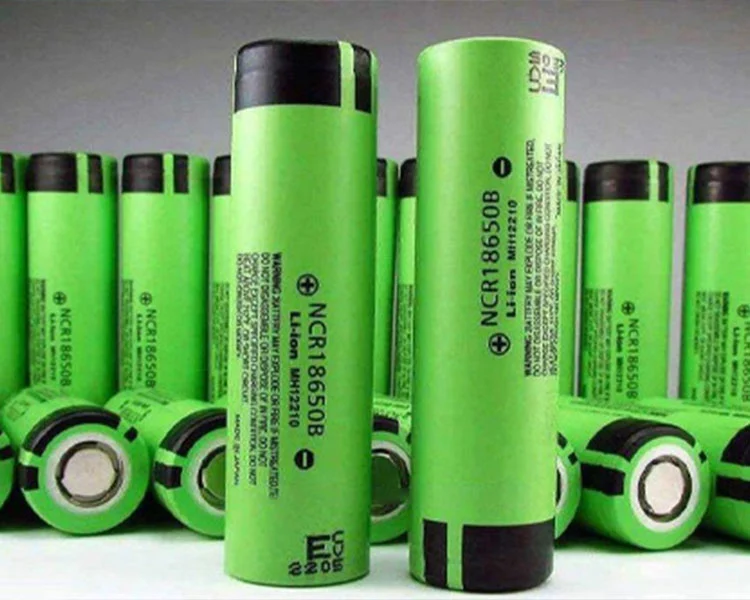
Core Best Practices for Stacking Battery Packs
| Practice | Description | Why It Matters |
|---|---|---|
| State of Charge (SoC) limitation | Maintain SoC between 30% and 50% before stacking | Reduces thermal runaway risk and stored energy |
| Compression‑resistant dunnage | Use anti‑vibration pads between each layer | Prevents pressure damage and short circuits |
| Vertical alignment | Stack packs directly above one another | Distributes load evenly to avoid point stress |
| Container load distribution | Keep center of gravity low and centered | Improves vessel stability during rough seas |
| UN‑certified markings | Apply visible hazard labels and stack limits | Complies with IMDG Code and emergency response |
Step‑by‑Step Stacking Procedure for Maritime Containers
-
Pre‑stack inspection – Check each battery pack for swelling, leakage, or terminal damage.
-
Layer preparation – Place flame‑retardant rubber mats on the container floor.
-
First layer – Arrange packs with minimum 5 cm clearance from container walls.
-
Interlayer material – Install rigid corrugated plastic sheets before adding second tier.
-
Strap and brace – Use steel reinforced straps crossed diagonally every two layers.
-
Final gap fill – Insert inflatable air bags to prevent horizontal shifting.
Three Essential “Battery Transport” FAQ
Q1: How high can I safely stack battery packs inside a 20‑foot maritime container?
A1: Safe stacking height depends on pack construction and total weight. For standard lithium‑ion prismatic battery packs (50 kg each), Ruizhou recommends a maximum of three layers not exceeding 1.5 m total height. This keeps compression force below 10 kPa per pack. Exceeding this risks crushing lower layers, causing internal short circuits. Always calculate stack pressure using manufacturer datasheets and add 25% safety margin for sea swell forces.
Q2: What happens if one battery pack in the middle of a stack begins to overheat during transport?
A2: Overheating in a middle layer is a critical event. Immediate risks include thermal runaway propagation upward and downward. Ruizhou advises designing stacks with thermal‑break sheets (ceramic fiber or aerogel) between every two layers. Additionally, each stack must leave a 15 cm vertical air channel on both sides of the container. If a temperature sensor triggers an alarm (≥80°C), the vessel crew should isolate ventilation and prepare to deploy a flooding cooling system, but never open container doors at sea.
Q3: Do I need different stacking rules for damaged battery packs versus new ones?
A3: Yes, completely different. Damaged or defective battery packs must never be stacked – they require single‑layer placement with 50 cm separation from any other cargo. For undamaged but “used” batteries (e.g., from electric vehicles), Ruizhou allows stacking only two layers high, with reinforced corner protection and double strap tension. The IMDG Code special provision 376 explicitly prohibits stacking damaged lithium batteries. A written risk assessment signed by a dangerous goods safety adviser is mandatory.
Container Loading Checklist (Ruizhou Recommended)
-
SoC verified between 30‑50% for every pack
-
Wooden pallets replaced with non‑combustible composite pallets
-
Stack height documented and logged for each row
-
Emergency response plan accessible on bridge and in engine room
-
Weekly temperature and humidity logs for reefer containers if climate controlled
Why Compliance Creates Competitive Advantage
Following these stacking best practices reduces insurance premiums by up to 35% for Battery Transport operators. It also prevents customs delays and potential fines exceeding $50,000 per mis‑declared container. Ruizhou integrates these protocols into all maritime battery logistics contracts, ensuring clients meet SOLAS and IMDG 2026 amendments.
Contact us at Ruizhou today to audit your battery stacking procedures or request a customized maritime loading plan. Reach our dangerous goods team via the website contact form or call +86 21 6025 8818 to schedule a compliance consultation.