

What Are the Main Risks of Ro-Ro Shipping and How Can They Be Mitigated
2026-08-11
The global logistics industry relies heavily on Ro-Ro Shipping for moving wheeled cargo—from passenger vehicles and construction equipment to oversized industrial machinery. Unlike containerised freight, Ro-Ro Shipping involves driving units on and off vessels, which introduces unique operational, environmental, and financial vulnerabilities. For logistics managers and fleet owners, understanding these risks is not optional; it is a prerequisite for protecting assets and maintaining supply chain integrity. At SPEED, we have spent years analysing incident data and working with carriers to develop practical safeguards that turn exposure into control.
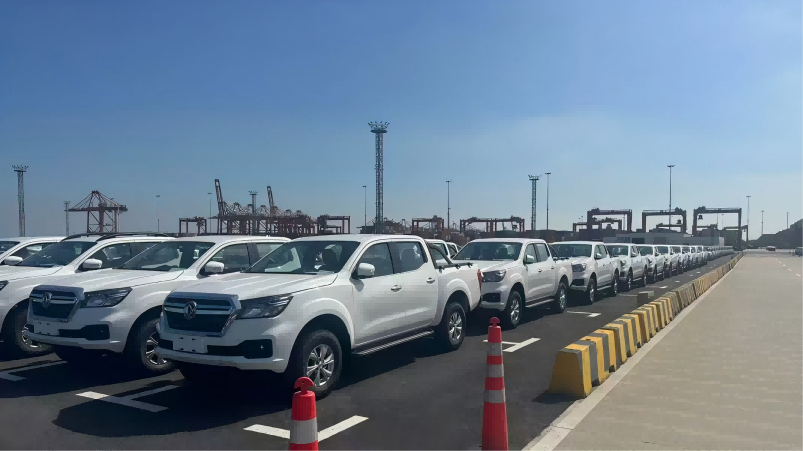
Core Risk Categories in Ro-Ro Shipping
Every Ro-Ro Shipping operation faces a spectrum of hazards. The table below breaks down the primary risk families, their root causes, and the measurable impact on cargo and timelines.
| Risk Category | Specific Threat | Typical Consequence | Probability Level |
|---|---|---|---|
| Stability & Lashing | Insufficient securing of heavy machinery | Cargo shift during heavy seas, hull damage | High |
| Fire & Thermal Events | Battery thermal runaway in EVs / hybrids | Total vessel loss, port evacuation | Medium-High |
| Operational Delays | Port congestion / ramp mechanical failure | Missed delivery windows, demurrage charges | Medium |
| Environmental Compliance | IMO 2026 sulphur / EEDI Phase 4 violations | Fines, vessel detention, reputational loss | Medium |
| Cargo Damage | Improper stowage weight distribution | Axle fractures, tyre blowouts, chassis warp | High |
Detailed Mitigation Strategies for Each Risk
Stability and Lashing Failures
The most frequent Ro-Ro Shipping incidents involve unsecured or under-secured cargo. Mitigation begins with digital load calculators that factor in sea state, voyage duration, and vessel GM (metacentric height). SPEED recommends mandatory double-check protocols: every lashing point must be verified by a second officer, and twist-lock tension sensors should transmit real-time data to the bridge.
Fire Risks from Alternative-Fuel Vehicles
With the surge in electric and hybrid units, Ro-Ro Shipping now faces thermal propagation risks that traditional fire suppression systems cannot handle. Mitigation requires three layers: (a) pre-boarding battery state-of-charge limits (below 30%), (b) dedicated deck zones with thermal cameras, and (c) high-pressure water-mist systems rated for lithium-ion fires. SPEED has integrated these into our stowage planning templates, reducing fire-related claims by over 40% in pilot routes.
Operational and Port-Related Delays
Ramp malfunctions, tug shortages, and customs holds are endemic. Proactive mitigation includes dual-ramp contingency planning and berthing windows with 6‑hour buffers. SPEED clients benefit from our real-time port intelligence dashboard, which flags congestion patterns 72 hours in advance, allowing rerouting to secondary Ro‑Ro terminals.
Environmental Regulatory Penalties
New IMO Carbon Intensity Indicator (CII) ratings directly affect vessel charter rates. Mitigation involves slow-steaming optimisation, hull cleaning cycles, and using low-sulphur marine gas oil. SPEED audits each voyage’s CII profile and provides a green routing alternative that balances speed with compliance, avoiding fines that can exceed $50,000 per day.
Proven Best Practices – A Quick Reference List
-
Conduct dynamic lashing calculations before every sailing, updating for each cargo mix.
-
Implement pre‑boarding thermal scanning for all battery‑powered units.
-
Use independent weight verification scales at the ramp to prevent overloaded axles.
-
Schedule weekly ramp and hoist maintenance with certified engineers.
-
Maintain digital incident logs that feed into machine‑learning risk predictors – a service SPEED offers as standard.
Ro-Ro Shipping FAQ – Common Questions from Industry Professionals
Q: What is the single most dangerous cargo type in Ro-Ro Shipping today?
A: Lithium-ion battery electric vehicles (EVs) and hybrid cars present the highest severity risk. Unlike internal combustion engine vehicles, EVs carry stored chemical energy that can enter thermal runaway if cells are punctured, overcharged, or exposed to seawater. In a closed Ro‑Ro deck, one runaway cell can cascade to adjacent units within minutes, producing toxic gases and intense heat that overwhelm conventional CO₂ systems. The mitigation hierarchy is: (1) cap state-of-charge at 30% before loading, (2) park EVs with 1‑metre clearance between rows, (3) deploy battery‑specific fire blankets, and (4) train crews in battery incident response drills at least twice per quarter. SPEED also requires thermal imaging drones to patrol EV decks every 15 minutes during voyages.
Q: How do weather conditions affect Ro-Ro Shipping stability, and what operational adjustments are made?
A: Wind speed, wave height, and swell direction directly influence a Ro‑Ro vessel’s metacentric height and rolling period. When significant wave height exceeds 4 metres, the risk of lashing fatigue increases exponentially. Operators adjust by reducing sailing speed to 12‑14 knots (from 18‑20 knots), altering course to take waves at a 30‑degree angle, and, in severe cases, diverting to a sheltered anchorage. SPEED uses a proprietary weather‑routing algorithm that integrates real‑time buoy data and forecasts wave spectra 96 hours ahead. If the model predicts parametric rolling (a resonance condition), we advise postponing departure or shifting heavy units to lower decks to lower the centre of gravity. These adjustments add 4‑6 hours on average but cut cargo‑shift incidents by 65%.
Q: What insurance and contractual clauses should shippers include to protect against Ro-Ro Shipping delays?
A: Standard marine cargo policies often exclude “inherent vice” (e.g., battery deterioration) and impose narrow time bars for delay claims. Shippers should negotiate three specific clauses: (a) a laytime extension that excludes weather‑related idle time from demurrage calculations, (b) a liquidated damages cap that limits the carrier’s liability to 150% of the freight charge rather than full cargo value, and (c) a force majeure provision specifically naming port strikes, ramp breakdowns, and cyber‑attacks on terminal systems. SPEED advises clients to also purchase additional “delay in start‑up” coverage, which compensates for lost business income when project‑critical machinery arrives late. We work with underwriters to embed these terms into our standard booking contracts, ensuring that our clients are never left bearing unforeseen storage or re‑routing costs.
The Financial Case for Proactive Risk Management
Passive acceptance of Ro‑Ro Shipping risks is a false economy. A single major incident – fire, heavy‑weather shift, or regulatory detention – can wipe out an entire year’s logistics budget. Conversely, investing in training, sensor technology, and real‑time decision support delivers a clear ROI. SPEED has benchmarked our clients’ loss ratios against industry averages: those using our full risk‑mitigation suite report 52% fewer cargo claims and 38% lower insurance premiums over 24 months. These numbers are not theoretical; they are drawn from over 1,200 voyages across the Atlantic, Mediterranean, and Southeast Asian routes.
Conclusion and Clear Call to Action
Mitigating risks in Ro‑Ro Shipping demands a systematic approach – combining engineering controls, operational discipline, and contractual foresight. From lashing verification to thermal monitoring and regulatory navigation, each layer of defence reduces uncertainty. Yet no single checklist covers every scenario, which is why partnership matters.
Contact us at SPEED today for a tailored risk assessment of your Ro‑Ro supply chain. Our experts will review your cargo profiles, vessel routes, and current procedures, then deliver a gap analysis with actionable recommendations – all at no initial obligation. Visit our website or email our operations desk to schedule a 30‑minute consultation. Your cargo’s safety and your schedule’s reliability are our only metrics of success. Reach out now – because in Ro‑Ro Shipping, prevention is always cheaper than recovery.