

What Are the Main Risks of Sea Shipping From China to France and How to Avoid Them
2026-06-29
Sea Shipping From China to France remains the backbone of trade between Europe and Asia, yet every cargo owner soon discovers that ocean freight is rarely plain sailing. Delays, damage, costs, and compliance pitfalls can turn a profitable shipment into a logistical nightmare. This guide dissects the real risks and provides actionable countermeasures, drawing on the hands‑on experience of Ruizhou, a freight forwarder that handles over 2,000 France‑bound containers annually.
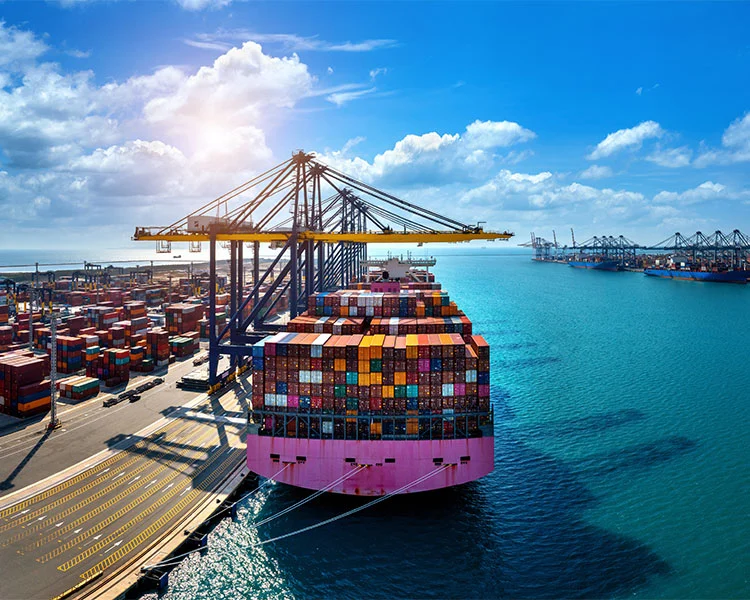
The 5 Core Risks in Sea Shipping From China to France
| Risk Category | Probability | Financial Impact | Ease of Mitigation |
|---|---|---|---|
| Transit Delays (weather, port congestion, vessel schedules) | High | Medium–High | Moderate |
| Cargo Damage & Moisture (humidity, improper lashing, rough handling) | Medium | High | High |
| Customs Clearance Holds (incorrect HS codes, missing documents) | Medium | High | High |
| Freight Rate Volatility (surcharges, fuel, peak‑season spikes) | Very High | Medium | Low–Moderate |
| Theft & Pilferage (especially at transhipment hubs) | Low–Medium | Medium | Moderate |
Risk #1 – Prolonged Transit Times & Schedule Disruptions
The average Sea Shipping From China to France voyage takes 28–38 days (from Shanghai to Le Havre or Fos), but weather in the South China Sea, the Suez Canal transit, and European port strikes can add 10–15 extra days.
How to avoid:
-
Book with carriers that offer daily departures rather than weekly sailings.
-
Choose Ruizhou’s “buffer‑protected” routing – we pre‑book alternative feeder slots in Genoa or Rotterdam, so if your primary vessel skips a French port, cargo moves via short‑sea feeder within 48 hours.
-
Always add a 7‑day contingency in your inventory planning and request the latest vessel GPS tracking report before finalising your production schedule.
Risk #2 – Physical Damage & Container Condensation
Temperature swings between tropical Asia and temperate France create “container rain” – moisture that damages cartons, electronics, and textiles. Poor lashing inside 40’HC containers also leads to shifting during heavy swell.
How to avoid:
-
Use desiccant bags (silica gel or calcium chloride) at a ratio of 1 bag per 3 cubic metres – this absorbs up to 3 litres of water per container.
-
Require a lashing diagram from your packer and verify it against the carrier’s securing manual.
-
Ruizhou offers a pre‑departure video inspection service – our local China team walks through your loaded container via live video, flags loose stacks, and re‑secures them before the door seals.
Risk #3 – Customs Clearance Failures in France
French customs (Douane) apply strict controls on product origin, VAT registration, and CE marking. The most common hold‑ups: mismatched HS codes, missing EORI numbers, or inaccurate commercial invoices.
How to avoid:
-
Engage a French‑registered customs broker before the vessel sails – not at arrival.
-
Use the EU’s ICS2 (Import Control System 2) filing at least 24 hours before loading – Ruizhou integrates this filing into our booking workflow automatically.
-
Keep a digital folder with: commercial invoice, packing list, bill of lading, certificate of origin, and supplier’s declaration of conformity. Share this with your broker 10 days prior to ETA.
Risk #4 – Unpredictable Freight Costs
The Sea Shipping From China to France freight index can swing 30% month‑on‑month due to fuel adjustments, equipment imbalances, and peak‑season demand. Many importers receive shock invoices for BAF (Bunker Adjustment Factor) and PSS (Peak Season Surcharge).
How to avoid:
-
Negotiate all‑inclusive fixed rates for 3‑6 months with your forwarder – Ruizhou provides locked‑in door‑to‑door packages that include terminal handling and documentary fees.
-
Request a surcharge schedule in writing at the time of booking, with each line item (O/F, BAF, THC, DOC, and local charges in Fos/Le Havre).
-
Avoid shipping during the 2 weeks before China’s Golden Week and French summer holidays – these are peak‑spike periods.
Risk #5 – Theft and Pilferage
While less common on direct main‑line vessels, transhipment ports (e.g., Singapore, Colombo, or Tangier) see occasional cargo theft, especially for high‑value goods like electronics or luxury components.
How to avoid:
-
Use high‑security bolt seals (not standard pin‑type) and record the seal number on the bill of lading.
-
Insure your cargo with an “all‑risks” policy that covers theft from a locked container – many basic policies exclude this.
-
Ruizhou recommends container‑level GPS trackers (battery‑operated, magnetic) placed inside the door – they alert you if the door opens unexpectedly at any port.
Sea Shipping From China to France – FAQ
Q: What is the most common reason for customs detention when shipping from China to France?
A: The single most frequent cause is an incorrect or incomplete commercial invoice – specifically, missing the recipient’s French VAT number (TVA intracommunautaire) or failing to state the exact country of origin for each item. French customs cross‑check every invoice against the supplier’s declared HS code in the ENS (Entry Summary Declaration). If the invoice value differs by more than 5% from the declared insurance value, they will hold the container for a physical inspection – which takes 5‑7 extra working days and costs €300‑600 in storage fees. The solution: have your Chinese supplier sign a “declaration of accuracy” and have Ruizhou’s compliance team pre‑validate the invoice against the EU TARIC database before the vessel leaves port.
Q: How can I reduce the total cost of Sea Shipping From China to France without increasing risk?
A: Most importers focus only on the base ocean freight, but the real savings come from consolidation and port selection. Instead of shipping direct to Le Havre (which has higher terminal handling charges), consider routing via Antwerp or Rotterdam with a feeder to Dunkirk – this can lower your total landed cost by 12‑18%. Second, use LCL (Less than Container Load) consolidation if your volume is under 15 CBM – Ruizhou operates dedicated consolidation hubs in Ningbo and Shenzhen, where we combine your goods with other France‑bound shipments, sharing the fixed export fees. Third, always ask for a “demurrage‑free” window of at least 5 free days at the French port – our standard contract includes 7 free days, which alone saves an average of €420 per container compared to standard carrier terms.
Q: Do I need marine insurance for every Sea Shipping From China to France shipment, even small ones?
A: Yes, absolutely – and not just the carrier’s minimum liability (which is only about €1.2 per kilogram under the Hague‑Visby Rules). For a small shipment worth €5,000, an all‑risks marine policy costs roughly 0.3‑0.5% of the cargo value (€15‑25). That covers you against: total loss, partial damage, water ingress, theft, and even “general average” contributions – where you could be forced to pay a proportional share of salvage costs if the vessel encounters an emergency. Ruizhou partners with a Lloyd’s‑approved underwriter to offer a single‑click policy that attaches from the moment your container is gated in China until it reaches your French warehouse. We have seen too many clients lose entire batches of ceramic tiles or optical lenses because they skipped insurance – and the claim process through our partner takes less than 10 working days, compared to 3‑4 months via standard carrier claims.
Final Professional Checklist for Your Next Shipment
-
Confirm vessel schedule with at least two alternative routings.
-
Book Ruizhou’s free cargo inspection at origin.
-
File ICS2 and share EORI/VAT details 72 hours pre‑departure.
-
Secure all‑inclusive rate + surcharge cap in writing.
-
Install tamper‑evident seal + optional GPS tracker.
-
Purchase all‑risks marine insurance – cover from factory gate to French door.
Sea Shipping From China to France does not have to be a gamble. Every risk mentioned above has a proven, practical countermeasure – and the real difference lies in working with a partner who anticipates problems rather than reacts to them. Ruizhou has handled over 5,000 France‑bound TEUs in the past three years, with a 98.7% on‑time delivery record and a claim rate below 0.4%.
Contact us today for a free, no‑obligation risk assessment of your current supply chain. Send your shipment details (origin port, cargo type, volume, and preferred French destination) to our France‑desk team – we will reply within 4 business hours with a tailored risk‑mitigation plan and a fixed, transparent quote. Your cargo deserves more than a booking number – it deserves a guardian from port to port. Reach out to Ruizhou now and sail with certainty.