

Which Materials Are Best Suited for Your Stamping Services Project
2025-12-01
Choosing the right material is the most critical step in ensuring the success of your metal stamping project. The ideal material impacts everything from durability and cost to manufacturability and final appearance. At Youlin, our expertise helps clients navigate this vital selection to achieve optimal results for their specific application. The best choice always depends on your project's unique requirements for strength, corrosion resistance, conductivity, and budget.
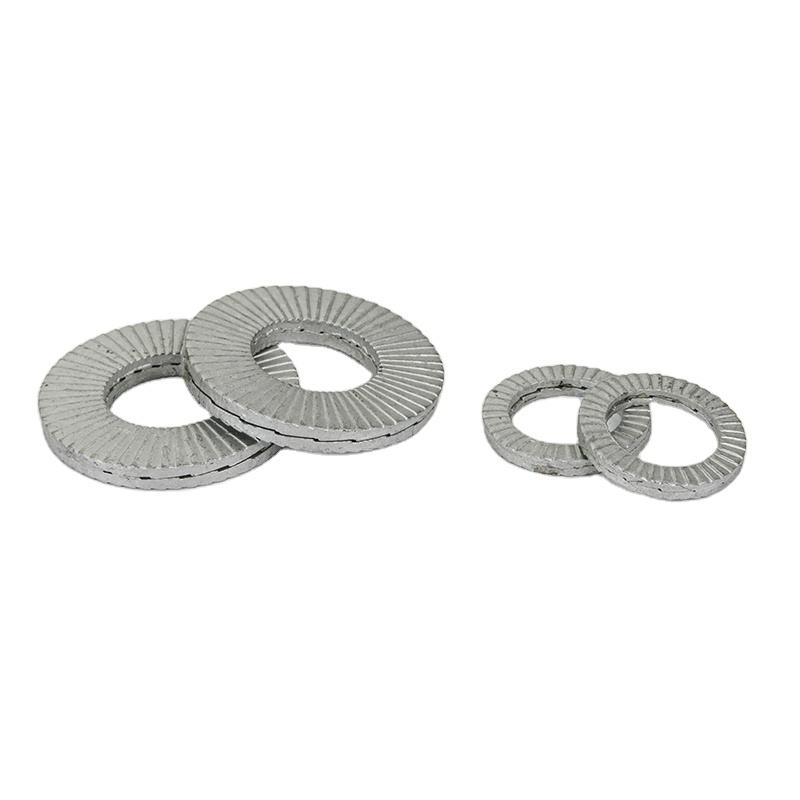
Key Material Options and Their Parameters
The following materials are widely used in our stamping services due to their excellent properties.
-
Stainless Steel
-
Properties: High strength, excellent corrosion resistance, and a clean, aesthetic finish.
-
Common Grades: 304 (general purpose), 316 (marine grade), 430 (cost-effective).
-
Ideal For: Medical instruments, automotive components, food processing equipment, and architectural features.
-
-
Aluminum
-
Properties: Lightweight, good strength-to-weight ratio, naturally corrosion-resistant, and highly malleable.
-
Common Grades: 1100 (excellent formability), 3003 (good strength), 5052 (superior marine corrosion resistance).
-
Ideal For: Aerospace parts, heat sinks, consumer electronics casings, and lightweight brackets.
-
-
Copper & Brass
-
Properties: Superior electrical and thermal conductivity, with brass offering good machinability and antimicrobial properties.
-
Common Grades: C110 (Electrolytic Tough Pitch Copper), C260 (Cartridge Brass).
-
Ideal For: Electrical connectors, terminals, RFI shielding, and decorative hardware.
-
To help you compare at a glance, here is a summary table:
| Material | Tensile Strength (MPa) | Key Advantage | Primary Applications |
|---|---|---|---|
| Stainless Steel | 505-860 | Exceptional Durability | Surgical tools, automotive systems |
| Aluminum | 70-280 | Lightweight | Aircraft components, electronic enclosures |
| Copper Alloys | 200-550 | High Conductivity | Electrical components, heat exchangers |
Stamping Services FAQ
What are the key factors when selecting a material for a stamping project?
The selection depends on the part's functional requirements (strength, corrosion resistance, electrical properties), the complexity of the stamping design, cost constraints, and any necessary post-processing like plating or painting.
What is the difference between progressive and transfer stamping services?
Progressive stamping performs a series of operations at different stations within a single press as the material strip moves through. Transfer stamping services involve moving the part from one press to another for subsequent operations, which is better for larger, more complex parts.
Can Youlin work with pre-plated or specialty metals?
Absolutely. Our stamping services are designed to handle a wide range of materials, including pre-plated steels and specialty alloys. Our engineering team can advise on the best material choice to ensure formability and prevent issues like cracking or flaking during the stamping process.
Making the correct material choice is the foundation of a successful project. Let the experts at Youlin guide you through this process to ensure your components are built for performance, durability, and value.
Contact us today for a free project consultation and quote.